Money-saving strategies are repeatable habits, tools, and decisions that trim expenses and direct the difference into savings on purpose. Throughout this updated guide, every core section is enhanced with examples tailored to daily life in the United States, so every money-saving strategy feels concrete and actionable.
What does “money” actually mean? (Clarified with U.S. Realities)
“Money” refers to a medium of exchange—U.S. dollars, in daily life—used to buy goods, pay bills, save, or invest. In the United States, this means your paycheque (after federal and state taxes), cash, bank balances, and digital wallet funds (for example, balances in your Venmo or PayPal accounts). Managing money means deciding how to allocate these resources between needs, wants, savings, and debts.
Why Money-Saving Strategies Work
Behavior-based moneysaving strategies, like setting systems and rules, outperform willpower alone. For example, setting a recurring transfer from your U.S. checking account to a high-yield savings account at Ally or Marcus means you don’t need to decide each month—automation does the saving for you. Choosing popular apps like Mint or YNAB to track expenses lowers stress and enables smarter, easier decisions.
Step-by-Step Strategy (with U.S. Examples)
1. Track 30 Days of Spending
-
Use free U.S.-based apps like Mint, Rocket Money, or your bank’s built-in spend tracker. For example, Chase and Bank of America offer monthly spending breakdowns in their mobile apps.
-
Tag transactions like your Starbucks run (“want”), electric bill (“need”), or automatic transfer to savings (“transfer”).
2. Define a Savings Rate Target (10–20%)
-
If you take home $3,000/month in the U.S., a 10% rate means $300/month automatically goes to savings or debt payoff.
-
Increase this after a raise or when you pay off a car loan.
3. Quick-Start: 7 Actions in One Hour
-
Open/confirm a high-yield U.S. savings account with online banks like Ally, Marcus by Goldman Sachs, or Capital One. For example, Ally consistently ranks among the top in annual percentage yield (APY) and has no monthly maintenance fees.
-
Automate weekly $25 transfers from your checking to your Ally or Capital One high-yield savings account.
-
Audit subscriptions using your last month’s Bank of America or Wells Fargo statement. Cancel forgotten Hulu, Spotify, or Amazon Prime charges that you no longer use.
-
Pay down high-interest credit card debt (like a 24% APR Chase Freedom card) before low-rate student loans.
-
Turn on “round-ups” with Bank of America’s Keep the Change, Acorns, or Chime so your debit card purchases are rounded up and extra change is saved.
-
Establish a sinking fund in a different subaccount, such as Capital One’s “Vacation” bucket, to cover a $600 car repair. Save $50/week—most U.S. banks now let you nickname these subaccounts.
-
Calendar a 15-minute weekly check-in, right after Sunday night dinner, to review your Mint app and bank balances.
4. Which Budgeting Framework Fits You?
| Method | How It Works | Best For | Trade-offs |
|---|---|---|---|
| 50/30/20 Rule | Allocate 50% of your income to needs, 30% to wants, and 20% to savings or debt repayment. | U.S. starters want an effortless split. | This guideline is too broad if your rent exceeds 30% of your income. |
| Zero-based Budget | Every dollar is assigned before the month starts. | Planners using YNAB or Exact Budget | More setup time, more accountability |
| 60/30/10 Variant | 60% needs, 30% wants, 10% savings. | High fixed-cost U.S. situations | Slower savings unless you automate increases |
| Pay Yourself First | Automated savings, then spend what’s left | Busy U.S. employees/contractors | There is a risk of overspending if you ignore certain spending categories. |
5. High-Impact Week 1 Moves
-
Automate weekly transfers to Ally or Marcus HYSA.
-
Keep emergency cash in these accounts; use a 6- or 12-month CD at Capital One for tuition due next year.
-
Pay off high-rate credit cards, update your balances in Credit Karma, and use their payoff calculator.
-
Negotiate your AT&T or Spectrum internet bill—U.S. providers often offer loyalty discounts when you call and say “cancel”.
-
Review and negotiate your auto insurance; companies like GEICO or Progressive provide new-quote estimates online daily.
6. Category Playbooks: U.S.-Specific
-
Housing: Negotiate your rent at renewal; in many U.S. states (like California or Texas), landlords may cut $50–$150 if you sign a 12-month lease. Switch to budget billing for electric utilities like Duke Energy or ConEd.
-
Food: Build a 10-meal rotation (think: chilli, spaghetti, tacos, chicken stir-fry) and stock up during Kroger or Walmart sales. Use Sam’s Club or Costco for bulk non-perishables.
-
Transport: Maintain your car with routine oil changes at Jiffy Lube; batch weekend errands; if in metro areas, buy a monthly MetroCard (NYC) or Clipper Card (Bay Area).
-
Banking: Use free checking at Ally, Discover, or local credit unions. Avoid out-of-network ATM fees by sticking to your bank’s network or getting cashback at stores.
-
Insurance: Compare quotes annually at policygenius.com or directly on the GEICO, Progressive, and State Farm websites. Raise deductibles only if your emergency fund (in your HYSA) can cover the gap.
7. Tools & technology for U.S. Households
-
Use U.S. budgeting apps (YNAB, Mint, Rocket Money).
-
Link round-up apps (Acorns or Chime).
-
Activate cashback through Rakuten, Honey, or card-linked offers on your Chase or Amex credit cards—deposit rewards directly into your HYSA.
8. Build Resilience: Emergency Funds & Short-Term Goals
-
Start with $500–$1,000 in your HYSA at Ally as a mini fund.
-
Grow toward 3–6 months’ worth of rent, groceries, and utilities (average U.S. household needs are about $2,000–$4,000/month).
-
Use a 12-month CD ladder at Capital One for tuition, wedding, or home down payment goals.
-
Set ACH auto-top-up after any emergency withdrawal.
9. Boost Your Income: U.S. Examples
-
Consider preparing a one-page summary of your achievements for your upcoming work review, and discuss potential raises or remote work opportunities with your manager.
-
List a service on TaskRabbit, tutor with Wyzant, or drive for Uber Eats a few hours a week—direct earnings to your HYSA or sinking fund.
-
Babysit a neighbour or freelancer using Fiverr with a monthly goal (e.g., $200 extra for holidays).
10. Make Good Habits Stick
-
Consider applying the “cooling-off rule” for discretionary purchases: for any Amazon or Target cart exceeding $100, please wait a day before completing the checkout process.
-
Pair your Sunday 15-minute review with prepping lunches for the week.
-
Use Google Sheets or Excel to track your savings rate, months of expenses saved, and estimated debt-free dates—post about progress in a private Facebook group or on your fridge.
Your 30-60-90 Day Roadmap (with U.S. Examples)
| Period | What to Do (U.S. Example) |
|---|---|
| Days 1–30 | Open Ally HYSA, set up $25/week auto-transfer, audit/cut top 5 expenses (Hulu, subscriptions), create $500 mini emergency fund, start car repair sinking fund, and block 15-min weekly review after Sunday dinner. |
| Days 31–60 | Negotiate rent, ask your auto/home insurer for updated quotes, add new sinking funds (holiday, school tuition), refine the plan with real numbers from month 1, continue debt payoff, and compare results with Credit Karma. |
| Days 61–90 | Pitch/ask for a raise at work, try a low-lift side income stream (Uber Eats, TaskRabbit), confirm/refine the budgeting method for 3 months, set up a CD ladder for vacation or tuition, and celebrate progress at the 90-day mark. |
Common Mistakes (Avoid in the U.S.)
-
Saving without naming each goal: Label each account in Ally, Capital One, or your credit union (e.g., “April 2026 Vacation in Maine”).
-
Hoarding too much idle cash: Once your emergency fund (e.g., $5,000) is met, put extra into a U.S. I-bond, employer 401(k), or Roth IRA for better growth if your timeline allows.
-
Ignoring fee leaks: U.S. checking accounts and credit cards sometimes sneak in $5–$15 monthly maintenance or “inactive account” fees. Set mobile alerts for all new charges and review every statement.
FAQ (with U.S. Lens Included)
-
Q: How does the 50/30/20 rule work?
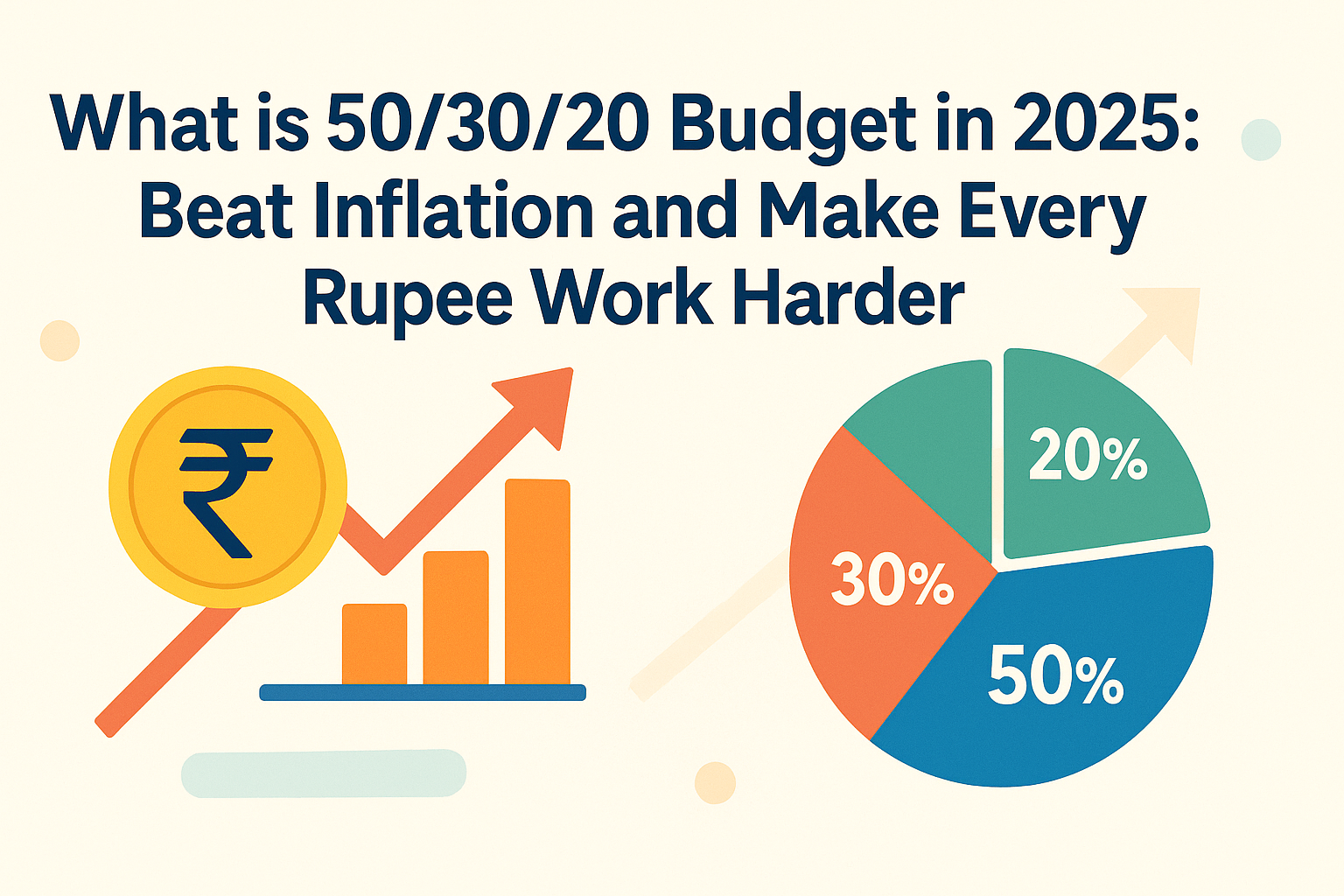
A: Allocate 50% of net pay to needs (e.g., rent, utilities, insurance), 30% to wants (dining out, Disney+), and 20% to savings or debt payments (HYSA, student loan). Adjust if your rent or healthcare pushes “needs” higher—use 60/30/10 instead if more realistic. -
Q: How much should I save each month?
A: Aim for 15–20% of net income, or as close as possible. For a $4,000 U.S. pay cheque, that’s $600–$800—set up auto-withdrawals into HYSA or Roth IRA. -
Q: Debt or savings first?
A: Start an emergency fund (e.g., $1,000 at Ally), then put extra toward high-interest credit cards (18–29% APR is common in the U.S.), and automate small weekly transfers to savings so the habit never stalls. -
Q: How do I save money fast on a low income?
A: Prioritise paying yourself first, even $10/week. Cut fixed costs—move to a cheaper apartment, use SNAP/EBT if eligible for groceries, or get a discounted transit pass (e.g., NYC Fair Fares). Funnel every found dollar into a labelled account for rent or emergencies. -
Q: Where to keep short-term savings?
A: Park emergency funds and near-term goals in a HYSA at a top U.S. online bank (Ally, Marcus, Capital One); use a 3- or 6-month CD at the same bank for date-certain goals.
By following these money-saving strategies, adapted specifically for U.S. life and using the most relevant accounts, apps, and recurring expense examples, you can create a resilient system that saves you time, money, and stress every week.