Combining finances as a couple refers to the intentional process of pooling income, assets, and expenses to manage money jointly. When partners choose to combine finances, they agree to share responsibility for bills, savings goals, and investment decisions, creating a unified approach rather than two entirely separate accounts and budgets. The broader concept of combining finances encompasses everything from merging checking accounts and credit cards to coordinating debt repayment plans and aligning emergency funds. By understanding exactly what “combining finances” means, whether it’s a fully joint account structure or a hybrid system with both joint and individual accounts, couples can make informed choices that suit their preferences and financial circumstances.
Why It Matters
When done thoughtfully, combining finances as a couple reduces arguments, aligns long-term goals, and builds a foundation of trust and transparency. Money disagreements are one of the most common sources of tension in relationships, but establishing clear rules for how income is deposited, bills are paid, and savings are allocated can eliminate confusion and resentment. Merging money doesn’t mean sacrificing individual autonomy; rather, it means agreeing on shared priorities such as buying a home, funding children’s education, or planning for retirement and then coordinating daily spending and saving habits to support those goals.
Properly merging finances also creates a safety net against unexpected emergencies. By pooling resources, couples can build joint emergency funds more quickly, ensure that each partner has equal access to necessary cash, and reduce duplication of fees or minimum-balance requirements across multiple bank accounts. Instead of debating who pays which bill, partners develop a system, whether percentage-based contributions or a fixed-dollar allocation, that feels equitable and sustainable for both.
Throughout this article, you will find actionable steps to avoid common pitfalls such as neglecting individual spending needs, overlooking separate credit histories, or delaying important conversations about long-term priorities. We’ll show you how to foster transparency (for example, by scheduling weekly money check‐ins), maintain flexibility (by keeping a portion of funds in individual “fun money” accounts), and establish shared financial values that keep both partners engaged. By the end of this guide, you will understand exactly how to merge budgets, set up joint accounts, navigate potential trust issues, and create a roadmap that keeps you both on the same page without sacrificing harmony or personal financial well‐being.
Why Couples Struggle with Money in the First Place

Different Money Mindsets
Spender vs. Saver Conflicts
Many couples find their first financial clash arises from fundamentally different approaches to spending and saving. One partner may view money as something to enjoy in the present, prioritising experiences, trendy gadgets, or dining out, while the other meticulously budgets, allocates every rupee to an emergency fund, and hesitates before making any non-essential purchases. When these divergent attitudes collide, arguments over monthly discretionary spending can quickly escalate. For example, a saver might see frequent restaurant outings as irresponsible, while the spender considers them vital for quality of life. Without acknowledging these contrasting mindsets, partners risk resentment: the spender feels controlled, and the saver fears financial ruin.
Childhood Influences on Financial Habits
Our earliest lessons about money often come from watching parents or guardians. A person raised in a household where scarcity was the norm might instinctively hoard cash, reluctant to spend even when resources permit. Conversely, someone whose upbringing has emphasised living for today might lack awareness of saving for future goals. These ingrained behaviours often resurface in adult relationships, even if partners share similar incomes. If one partner recalls frequent childhood arguments about bills and views money as a threat, they may be hypervigilant about every expense. Perhaps exposed to a more relaxed environment, the other partner could interpret such habits as overreaction or mistrust. Only by openly discussing these formative experiences can couples begin to understand why a simple grocery trip triggers intense emotions or why one partner baulks at contributing equally to a joint account.
Lack of Communication About Debt & Income
Hidden Credit Balances or Student Loans
Sharing the complete picture of personal liabilities is a significant obstacle. It’s not uncommon for one partner to be embarrassed about carrying high-interest credit card balances or outstanding educational loans, leading them to downplay or completely hide this debt. When tax time arrives, or when planning to buy a home together, these undisclosed obligations surface unexpectedly, undermining trust. For instance, if Partner A assumes the couple has ₹50,000 free monthly cash flow but Partner B has ₹30,000 going toward minimum credit‐card payments, joint budgeting becomes impossible. The revelation of hidden debt can feel like a betrayal, making future financial conversations fraught with suspicion.
Unequal Earning Power Without Clarity
Even when both partners are transparent about income levels, the absence of clear guidelines on how to allocate funds can breed resentment. Suppose one partner earns significantly more, say, ₹120,000 per month compared to the other’s ₹50,000 but insists on splitting household bills 50/50. The lower‐earning partner may struggle to keep up, leading to stress and feelings of inadequacy. Conversely, if the higher-earning individual unilaterally covers most expenses, the other might feel undervalued, or their contributions (emotional labour, childcare, etc.) go unnoticed. Without a candid discussion about income disparity and a framework such as prorating bill contributions based on salary percentages to address it, financial inequality can strain the relationship.
Fear of Losing Financial Independence
Worries about “Losing Control” of Personal Funds
Merging checking accounts or establishing joint savings can trigger anxiety in someone who equates personal accounts with personal freedom. They may worry that allocating money to a shared fund means relinquishing autonomy over how it’s spent. This fear often emerges when partners discuss opening a single joint account for all bills and discretionary spending. The person guarding financial independence imagines their partner dipping into “their” money without permission, even if they mutually agreed to a fair system. As a result, one partner might insist on keeping separate accounts for personal expenses and earnings used for hobbies, travel, or gifts while contributing a flat amount to a joint bill account. If not carefully balanced, this setup can give rise to power imbalances, as the person controlling the joint account effectively dictates household priorities.
Common Myths Around Joint Accounts
Many couples believe that creating a truly shared account means “all or nothing”: every rupee must be pooled, and neither partner retains exclusive spending power. In reality, joint accounts can coexist alongside individual accounts, allowing each person to maintain a degree of financial independence while still funding common goals. Another pervasive myth is that joint accounts guarantee harmony; however, without clear rules such as who manages online banking, how to handle overdrafts, and how much each partner will deposit, joint accounts can exacerbate mistrust. Some also fear joint accounts will complicate tax filings or expose them to the other’s credit history. By clarifying these misconceptions through factual discussion and explaining that joint account overdrafts typically draw on combined funds first, as well as noting that the credit impact depends on whose name carries the debt, couples can navigate towards a system that meets both partners’ needs without surrendering personal agency.
Is “Combining Finances” Right for Your Relationship?

Pros of Merging Everything
When couples choose to merge all financial accounts, bank accounts, investment portfolios, and credit lines, it streamlines many routine money management tasks. The immediate benefits include simplified bill payment and budgeting. With every expense funnelled through a single account, there’s no more juggling due dates across multiple credit cards or worrying that one partner has forgotten to pay the electricity bill. A unified ledger (either a digital budgeting app or a shared spreadsheet) automatically tracks all incoming and outgoing funds, reducing the risk of late fees and duplicated payments. This transparency also makes it easier to spot unnecessary subscriptions or identify overspending before it becomes a problem.
Another major advantage is shared savings for joint goals, such as purchasing a home, planning a dream vacation, or building a robust retirement fund. Instead of each person trying to determine how much to contribute, a merged account dedicates a fixed percentage of combined income toward these objectives. For example, if ₹20,000 per month is automatically routed to a joint “Home Purchase” savings bucket, both partners see progress transparently and remain equally invested. This approach strengthens alignment: when buying a car or booking flights for a trip, neither has to worry about the other’s financial capacity, as all funds are communal by design. Moreover, large-scale investments, like mutual funds or real estate payments, benefit from consolidated contributions, potentially unlocking better interest rates or more favourable loan terms due to a higher combined savings balance.
Pros of a Hybrid Approach
Not every couple is comfortable committing entirely to one joint account. A hybrid approach where partners maintain a single shared account for household expenses but keep individual accounts for personal spending offers a balanced alternative. In this model, one joint checking account handles rent or mortgage payments, utilities, groceries, and any shared subscriptions. Both partners deposit into that account using a clear formula, such as “50/50” splits or “percentage-based” contributions determined by relative income. For instance, if Partner A earns ₹100,000 per month and Partner B earns ₹50,000, they might split joint costs at a 67/33 ratio. This arrangement prevents one partner from shouldering an undue burden and keeps contributions proportional to earnings.
Meanwhile, each person retains a separate checking or savings account for discretionary expenses, hobbies, personal gifts, or side-hustle income. This structure preserves individual autonomy: neither partner must seek approval before purchasing concert tickets or subscribing to a new streaming service. At the same time, clear allocation rules reduce arguments over who paid for what. A table can clarify how contributions might work:
| Category | Joint Account Contribution | Individual Account Use |
|---|---|---|
| Rent/Mortgage & Utilities | 50% each or 67/33 ratio | N/A |
| Groceries & Household Items | 50% each or 67/33 ratio | N/A |
| Shared Subscriptions | 50% each or 67/33 ratio | N/A |
| Personal Hobbies/Entertainment | N/A | Funding from individual accounts |
| Gifts for Extended Family | N/A | Funding from individual accounts |
| Side Income or Bonuses | Optional shared deposit | Optional separate deposit |
This hybrid strategy promotes clarity and flexibility. Couples agree in advance whether bills are split evenly (“50/50”) or based on income (“percentage-based”), mitigating resentment over perceived inequities. Because both partners see exactly how much goes into the joint account, trust deepens around everyday expenses. Meanwhile, individual accounts serve as “fun money” or personal savings, ensuring each person retains a sense of control and accountability over their non-shared spending.
When to Keep Finances Separate
In certain circumstances, fully merging or even partially combining finances might do more harm than good. Strong reasons to maintain individual accounts include situations where one partner has significantly higher debt, such as outstanding student loans or high-interest credit card balances, that the other spouse does not feel comfortable sharing. If Partner A has ₹500,000 in student loans and Partner B is debt-free, combining all accounts would expose Partner B’s funds to potential liability or co-signer risk. In such high-conflict situations, keeping finances completely separate can preserve both parties’ credit scores and prevent one partner’s debt from dragging down the other’s net worth.
Another scenario is when a couple frequently fights over money and requires a “cooling-off” mechanism. By maintaining separate accounts, each person can handle their spending habits independently until they’re ready to negotiate a hybrid or fully joint system. This separation can also be crucial if one partner prefers a different risk tolerance, such as heavy investing in cryptocurrencies, while the other wants only ultra-safe instruments. Keeping portfolios separate prevents disagreement over investment decisions from spilling into daily financial maintenance.
How to revisit the decision later: choosing separate finances today doesn’t mandate permanent separation. Couples are encouraged to schedule periodic money check-ins, perhaps quarterly or semi-annually, to reassess whether shared goals, reduced debt balances, or improved communication warrant moving toward a hybrid or fully joint arrangement. For example, once Partner A’s debt drops below ₹100,000, both might agree to open a joint savings account solely for travel, testing the waters before transitioning further. By embedding checkpoints into the relationship timeline, such as “after our wedding”, “once we have a child”, or “when our combined income exceeds ₹150,000”, couples create a clear roadmap. This way, financial independence today can evolve organically into shared stewardship tomorrow, without the pressure of making a one-time, irreversible choice.
Step-by-Step Guide to Combining Finances as a Couple

Step 1: Open the Conversation Early
Establish a dedicated “money date” before merging any accounts or combining bills. Choose a quiet evening, ideally once both partners are relaxed and free from distractions, to discuss financial goals, fears, and current standings. Treat this meeting like any other important event: block out time on your calendar and agree that no interruptions will occur (phones on silent, no TV in the background).
When framing the discussion, use “I” statements to avoid blame. For example, “I feel anxious about our budget when I don’t know how much debt we each carry” is more constructive than “You never tell me about your credit‐card bills.” Emphasise that combining finances is a team effort and that transparency now prevents miscommunication later. At this initial conversation, agree on ground rules: decide how often you’ll revisit your joint budget, whether you’ll share account passwords immediately or gradually, and how you’ll handle disagreements (e.g., pausing the conversation, sleeping on big decisions). By opening the dialogue early and intentionally, you establish trust and ensure both partners enter the process feeling heard and respected.
Step 2: Pool Income & List All Expenses
Once both partners are comfortable discussing money, the next step is to capture every single source of income and every monthly outflow. Create a master spreadsheet either in Google Sheets, Excel, or a budgeting app where you list each person’s take‐home pay, side‐hustle earnings, freelance income, and any irregular windfalls. Below that, detail every expense: rent or mortgage, utilities (electricity, water, internet), groceries, insurance premiums, loan payments (student loans, auto loans), and even small recurring charges like streaming subscriptions or gym memberships.
Please categorise these bills as fixed (the same amount each month) and variable (amounts that fluctuate). A simple two‐column table clarifies this distinction:
| Expense Category | Fixed Amount (₹) | Variable Range (₹) |
|---|---|---|
| Rent/Mortgage | 25,000 | N/A |
| Electricity & Water | 3,000 | 2,500–4,000 |
| Internet & Cable | 1,200 | N/A |
| Groceries | N/A | 8,000–12,000 |
| Credit‐Card Payments | 5,000 | N/A |
| Dining Out & Leisure | N/A | 3,000–5,000 |
| Streaming Subscriptions | 800 | N/A |
| Fuel/Transportation | N/A | 2,000–4,000 |
By mapping each expense, couples gain full visibility of where money flows. This assists in prioritising which variable costs to reduce and which fixed costs need immediate attention. When all income streams are tallied and expenses are clearly labelled, discussions around how much to contribute to a shared account become factual instead of emotional.
Step 3: Choose Your Account Structure
With income and expenses clearly outlined, please determine how you would like to hold and manage the accounts. There are two primary setups:
Full Merge: One Joint Checking + Joint Savings
-
Pros: 100% transparency. Every deposit and withdrawal is visible to both partners, eliminating hidden balances. The system simplifies bill payment by allowing utilities, EMI, insurance, and groceries to be paid from a single account. A single joint savings account channels money toward shared goals (down payment, emergency fund, vacation).
-
Cons: Limited personal autonomy. One partner may fear losing independence over discretionary spending. Both names on every account mean both partners are equally liable for overdrafts or any unexpected fees.
Partial Merge: Joint Checking for Bills, Separate Savings for Personal Spending
-
Pros: Maintains individual autonomy alongside shared responsibility. Both partners deposit a predetermined amount, either “50/50” or “percentage-based” (e.g., Partner A with ₹100,000 monthly and Partner B with ₹50,000 might split joint bills 67/33). Joint checking covers rent, utilities, groceries, and shared subscriptions. Each partner retains a separate savings/checking account for personal expenses, hobbies, or grooming costs.
-
Cons: Slightly more complex bookkeeping. Couples must agree on the amount each person deposits into the joint checking account every pay period. Personal accounts may create temptation to withhold financial information, so regular transparency check‐ins are critical.
| Structure | Shared Expenses Account | Personal Account(s) | Liability & Transparency |
|---|---|---|---|
| Full Merge | One joint checking | N/A | High liability for both; full transparency |
| Partial Merge | One joint checking | Separate individual accounts | Shared liability on joint account; partial transparency on personal spending |
By comparing these options, couples can select the structure that best aligns with their trust level, financial obligations, and desire for independence. The key is to agree on the mechanics: who transfers money into which account, when transfers happen (e.g., on each payday), and how to handle unexpected joint bills that exceed monthly estimates.
Step 4: Establish a Shared Budget
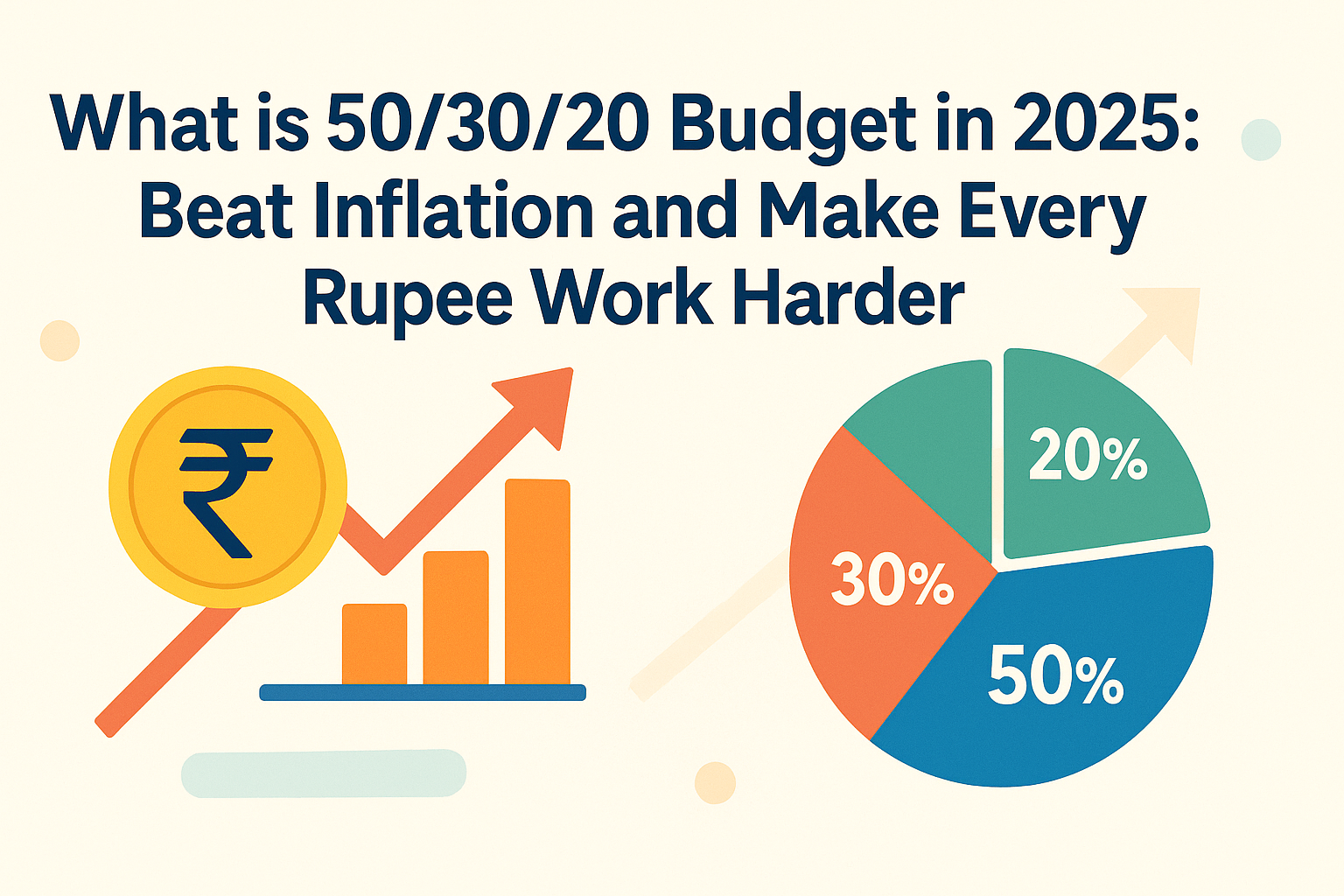
After finalising an account structure, build a shared budget using a well-known framework, such as the 50/30/20 rule or create customised ratios that align with your unique goals. The 50/30/20 model allocates 50% of combined net income to cover needs (rent, groceries, utilities), 30% to fund wants (dining out, entertainment, travel), and 20% for savings or debt repayment. Many couples tweak these percentages: for instance, 60/20/20 if high rent requires more “needs” allocation, or 40/40/20 if both partners value lifestyle spending equally.
Tracking tools like Mint, You Need a Budget (YNAB), or Goodbudget help couples log every expense automatically. Connect your joint checking account to a single platform to automatically classify recurring bills as “fixed” and label variable spending. Regularly review these categories to identify areas where you’re consistently over or under budget. Maintaining a living budget, either weekly or biweekly, helps couples stay in sync and prevents minor overspending from disrupting their long-term plans. A living budget updated weekly or biweekly helps couples stay on the same page and prevents small overruns from derailing long-term plans.
Step 5: Automate Savings & Bill Payments
Automation is the linchpin of a stress-free, merged financial system. In your joint checking account, set up automatic transfers to shared savings goals such as an emergency fund or a house down payment right after cheque deposits. For example, configure ₹15,000 on the 5th and 20th of each month to move into a joint high-interest savings or liquid mutual fund. This “pay yourself first” approach ensures you’re less tempted to dip into savings for impulse purchases.
Equally important is enabling autopay for all fixed expenses: rent or mortgage EMI, utilities, insurance premiums, and loan EMIs. Autopay reduces the risk of late fees or service disruptions (e.g., internet or electricity getting cut off). For autopay, ensure you maintain a buffer (₹5,000–₹10,000) in the joint checking account to cover any unexpected higher bills or payment errors. Schedule a calendar reminder for a buffer check two days before major debits to verify that the account balance remains sufficient.
Step 6: Create Short- and Long-Term Goals Together
With bills and savings automated, sharpen your shared vision by defining short-term (3–12 months) and long-term (1–5+ years) financial goals. Common short-term goals include building a three-month emergency fund (₹50,000–₹100,000, depending on fixed expenses), saving for an annual vacation (₹60,000–₹120,000), or paying off credit card debt. Long-term ambitions often encompass a down payment on a home (₹5–10 lakh), funding a child’s higher education (₹15–20 lakh for a four-year program), or accumulating a retirement corpus.
Assign specific dollar amounts (e.g., ₹1,00,000 to the vacation fund) and set clear timelines (e.g., reach ₹1,00,000 in nine months by saving ₹11,100 per month). Please ensure each goal is recorded in your master spreadsheet, including the target amount, deadline, and monthly contribution. If your combined net income is ₹150,000 monthly, you might allocate ₹10,000 to the emergency fund, ₹11,100 to vacation savings, ₹15,000 to the home down payment fund, and the rest to living expenses and discretionary spending. Tracking progress visually using a progress bar or percentage completed reinforces accountability and provides motivation as each goal inches closer to completion.
Step 7: Schedule Regular “Money Dates”
Combining finances isn’t a one-time project; it’s an ongoing process. Schedule monthly check-ins: brief 30- to 45-minute sessions to review the previous month’s spending, compare actual numbers against budgeted figures, and adjust as needed. Use these meetings to celebrate milestones (e.g., “We hit 50% of our down payment fund!”) and address any overspending issues (“Our dining‐out budget was ₹5,000, but we spent ₹8,000”). Transferring any surplus into savings right away keeps you on track.
Beyond monthly check-ins, conduct quarterly or annual goal-planning sessions. In quarterly sessions, revisit short-term targets: Is the emergency fund on schedule? Is vacation planning still aligned with projected costs? An annual session goes deeper: reassess long-term goals, examine upcoming life changes (job changes, potential relocations, growing family), and adjust contributions or savings priorities. For example, if one partner anticipates a promotion in six months, you may decide to redirect a larger share toward a higher down payment goal. By embedding these recurring “money dates” into your schedule, ideally on the same day each month and quarter, you create a sustainable framework where combining finances becomes second nature rather than a source of conflict.
Overcoming Common Pitfalls When Combining Finances
Handling Unequal Incomes
When one partner earns significantly more than the other, it can be challenging to determine each person’s equitable share. Instead of splitting all expenses 50/50, consider proportional contributions based on salary. For example, if Partner A earns ₹120,000 per month and Partner B earns ₹60,000, Partner A might cover two-thirds of joint costs while Partner B covers one-third. This approach aligns each person’s contribution with their ability to pay, preventing one from feeling overburdened. A simple table can illustrate this setup:
| Partner | Monthly Income (₹) | Percentage of Combined Income | Contribution to ₹60,000 Bills (₹) |
|---|---|---|---|
| Partner A | 120,000 | 67% | 40,200 |
| Partner B | 60,000 | 33% | 19,800 |
Beyond numbers, balancing fairness and shared responsibility also means acknowledging non-monetary contributions. If the lower-earning partner manages household chores or childcare or supports a side business, those efforts hold value. Discuss how each partner’s broader role, such as handling grocery shopping, meal planning, or maintaining the car, contributes to overall household stability. By combining proportional money contributions with recognition of non-financial efforts, couples reinforce a sense of teamwork and equity rather than resentment or guilt.
Managing Debt Transparently
Couples often underestimate how hidden or high-interest debt can derail joint financial goals. The first step to managing debt transparently is to list every outstanding balance—credit card debts, personal loans, and student loans—along with their interest rates. Prioritise addressing high-interest debt initially, as maintaining 18–24% APR credit card balances can offset any benefits from savings or investments. Agree on a plan: for instance, channel any extra disposable income into credit card payments until the balance is zero, then redirect that freed-up cash flow toward shared objectives.
Deciding when to pay off student loans versus saving for shared goals requires clear communication. Student loans often carry lower interest rates (sometimes 3–7%), making them less urgent than 20% APR credit card debt but more of a priority than discretionary spending. If the couple’s timeline for buying a home is two years away, they might opt to build a small down-payment fund while making minimum student-loan payments. Once they achieve the down-payment goal, they can fully concentrate on student-loan repayment. Conversely, if student loans hinder the couple’s ability to qualify for a mortgage, prioritising those debts could expedite home ownership. Document your decisions in writing, either on a shared spreadsheet or within a budgeting app, to ensure both partners remain accountable and avoid misunderstandings.
Avoiding “One Pays, One Controls” Dynamics
A common pitfall in combined finances is giving one partner total control over bill payments while the other feels excluded. To avoid “one pays, one controls” dynamics, establish clear boundaries around who handles specific tasks and rotate those duties periodically. For instance, Partner A might pay rent and utilities this month, while Partner B handles groceries and insurance premiums next month. This rotation ensures both partners understand the mechanics of account access, payment platforms, and due dates.
Additionally, Grant shared access to all account statements, bank accounts, credit card statements, and investment portfolios so neither partner needs to ask permission or track down login credentials. Set notifications via email or app alerts for all transactions over a predefined threshold (e.g., ₹5,000) so both partners are immediately informed of substantial withdrawals. Reviewing digital statements together once a week fosters transparency, reduces suspicion, and prevents the scenario where one partner quietly racks up discretionary spending without the other’s knowledge. These practices create a balanced, respectful environment where both parties feel equally trusted and empowered.
Navigating Surprise Expenses
Unexpected costs for car repairs, medical bills, or unplanned travel can strain even the most carefully crafted joint budget. To cushion these shocks, focus on building and maintaining an emergency fund with at least three to six months’ worth of essential living expenses. Automate transfers into this fund, ideally a high-yield savings account, so that a portion of each pay cheque is reserved before either partner can spend it. If your combined monthly necessities total ₹70,000, aim for an emergency fund of ₹210,000 to ₹420,000.
Simultaneously, define clear rules for “fun money” or discretionary spending to prevent small impulse purchases from derailing both the budget and the emergency cushion. Agree on a fixed monthly amount each partner can spend freely, say, ₹5,000–₹10,000, without needing prior approval. Label these funds as “personal” or “fun” in your budgeting tool. When surprise expenses arise, both partners tap into the emergency fund first, knowing personal allowances remain unaffected. This approach ensures that unexpected costs don’t force couples to raid discretionary funds or incur new debt. Maintaining a well-funded safety net and respecting agreed-upon spending boundaries keeps financial tensions low and preserves the harmony of combined finances.
FAQs – People Also Ask (PAA)
1. How do we start combining finances as a couple?
Please arrange a dedicated meeting to discuss finances, list all incomes and expenses, and then decide on a joint or hybrid account structure.
2. Should we merge all bank accounts or keep some separate?
Many couples opt for a hybrid approach: one joint checking for bills and joint savings, plus separate individual accounts for personal spending to maintain autonomy.
3. What’s the best way to divide bills if one partner earns more?
Contribute proportionally to income (e.g., a 60/40 split if one earns 60% of the household income) so both partners carry fair financial responsibility.
4. How can we prevent money fights after merging accounts?
Establish clear spending rules, automate savings and bills, and hold monthly “money dates” to address issues before they escalate.
5. When should we revisit our financial arrangement?
After life milestones (new job, baby, home purchase) or any major change in income or goals, schedule a review to adjust contributions and priorities.