Saving money is the art of setting aside part of your income today so future costs never derail your goals. In 2025, inflation, rising interest rates, and new digital spending trends make smart saving habits more important than ever. This guide outlines the precise strategies you can implement right away to maximize your savings and establish a robust financial safeguard.
Why Smart Saving Matters in 2025
As we move through 2025, the cost of everyday items isn’t just creeping up—it’s leaping. Inflation has taken hold across groceries, utilities, and even services you rely on every month. When prices rise by just a few percentage points, your purchasing power shrinks: what used to cost you ₹1,000 might now set you back ₹1,050 or more. Over time, that erosion adds up, leaving you with fewer rupees to direct toward your goals. By building smart saving habits now, you lock in a stronger defense against rising prices, ensuring that your cash cushion actually grows rather than gets eaten away.
But it’s not only macroeconomic forces you need to watch. Lifestyle creep can quietly drain your bank balance without you realizing it. As your income increases, it’s all too easy to upgrade your routines—premium streaming services, gourmet coffee subscriptions, or that new workout app with a monthly fee. Individually, each one might seem harmless, but collectively they create “subscription fatigue”, where dozens of small charges slip under the radar each month. Auditing and trimming these hidden costs gives you back control, so your savings rate reflects intentional choices instead of autopilot spending. In 2025’s fast-changing financial landscape, staying mindful of both inflation’s impact and subscription overload is the key to growing your cash cushion faster.
How inflation in 2025 impacts your purchasing power
Inflation gradually diminishes the value of each rupee you possess. Imagine that last year, ₹100 could buy you a hearty meal and a coffee; this year, that same ₹100 might only cover the meal, forcing you to skip the latte or chip in extra from your wallet. As prices tick upward—on groceries, fuel, and everyday essentials—your routine expenses steadily climb. By making saving a deliberate habit, you lock in more future buying power. Each rupee you tuck away today will go further tomorrow, helping you stay ahead of rising costs rather than scrambling to keep up.
The hidden cost of lifestyle creep and subscription fatigue
Upgrading our lives incrementally, such as adding a premium streaming tier, a gourmet coffee habit, or a gym membership that promises luxury classes, is easy. Before you realize it, you’re paying for services you hardly use, and your living expenses continue to rise without your awareness. This phenomenon, known as lifestyle creep, quietly consumes your budget without your awareness. When you combine this with subscription fatigue, which occurs when dozens of small monthly charges accumulate, it can significantly reduce your savings. Regularly auditing your subscriptions and resisting unnecessary upgrades can prevent small expenses from becoming significant drains on your future savings.
Step-by-Step Plan to Jump-Start Savings
1. Run a Zero-Based Budget
A zero-based budget means every dollar you earn has a job to do before the month begins. Start by listing all your income sources and tracking every expense category—rent, groceries, utilities, subscriptions, fun money, and so on. The goal is to assign each dollar in your paycheck to a category until your income minus expenses equals zero. That might sound strict, but it actually gives you complete control over where your money goes.
You may find areas where you overspend or have extra wiggle room when you first try this. For instance, you might realize that you’re paying for streaming services you never watch or that dining out costs more than you thought. Adjust those categories so you’re living within your means and channeling every available dollar into your savings goals.
| Category | Budgeted Amount | Notes |
|---|---|---|
| Housing | ₹15,000 | Rent and utilities |
| Food | ₹6,000 | Groceries and dining out |
| Transportation | ₹2,500 | Fuel and public transit |
| Subscriptions | ₹1,200 | Streaming and apps |
| Fun Money | ₹2,000 | Coffee, movies, outings |
| Savings | ₹8,000 | Emergency fund/goals |
| Total Income | ₹34,700 |
This table provides a clear breakdown of your financial allocation. As you refine your numbers month after month, your budget becomes a living tool that propels your savings forward.
2. Automate Transfers to a High-Yield Account
Once your budget is in place, set up automatic transfers from your checking account to a high-yield savings account. Treat your savings like a non-negotiable expense—just as you would your rent or loan payment. Please schedule the transfer for immediately after payday to ensure the funds are not visible in your everyday account.
High-yield accounts typically offer rates several times higher than standard savings accounts, meaning your money works harder for you. Even if the interest rate seems small, compounding adds up over time. Automating this step removes the decision from your daily routine, so you’re less tempted to tap into those funds for impulsive purchases.
3. Use the 24-Hour Rule to Curb Impulse Buys
Impulse purchases can arise from online deals, limited-time offers, or spontaneous moments of indulgence. To stop unplanned spending, adopt the 24-hour rule: whenever you feel the urge to buy something non-essential, wait a full day before completing the purchase.
During that waiting period, ask yourself whether the item aligns with your priorities and budget. Do you really need it? Will it still feel exciting tomorrow? Usually, the urge passes, and you’ll save yourself unnecessary spending. If you still feel strongly about the purchase after 24 hours, revisit your budget to see where you can adjust other categories to accommodate it.
By running a zero-based budget, automating your savings, and pausing impulsive buys, you’ll build momentum toward your financial goals. These straightforward actions guide you towards increasing your savings without sacrificing important aspects of your life.
Cutting Recurring Expenses Without Sacrificing Comfort

Negotiating utility rates and insurance premiums
Nobody enjoys surprising spikes in their electricity or water bills, but a quick call to your provider can make a big difference. Start by reviewing your recent statements so you know your average usage and current rates. Then, reach out to customer service and ask if there are any loyalty discounts, promotional rates, or budget billing plans available. Many companies have unadvertised offers for customers who ask—especially if you mention you’re considering switching providers.
The same approach works for insurance premiums. Whether it’s auto, home, or renters insurance, gather quotes from at least two competitors and use them as leverage when calling your current insurer. Even a small percentage reduction compounds over a year without affecting your coverage. Be polite but persistent: providers value customers who shop around, and you might qualify for multi-policy or safe-driver discounts you didn’t know existed.
Switching to annual billing for streaming and apps
Subscribing to multiple streaming services or premium apps can significantly reduce your budget. Many platforms reward customers who pay annually instead of monthly—often with the equivalent of one or two months free. By consolidating these charges into a single yearly payment, you lock in a lower rate and eliminate the risk of forgetting to cancel a service you rarely use.
| Billing option | Cost per month | Total annual cost | Annual savings |
|---|---|---|---|
| Monthly billing | $10 | $120 | — |
| Annual billing | — | $100 | $20 (17%) |
Before you switch, check the fine print for cancellation terms and renewal notices. Then mark the renewal date on your calendar so you can reassess whether you still need the service next year. This way, you enjoy uninterrupted access to your favorite shows and apps while keeping more money in your pocket.
Boosting Income Streams for Faster Savings
Monetize Skills on Gig Platforms
Have a knack for writing, graphic design, or tutoring? Gig platforms like Upwork, Fiverr, and TaskRabbit turn your talents into cash. Start by creating a clear profile that highlights your skills and past work, then set competitive rates to attract your first clients. As you earn positive reviews, you can raise your prices and even explore niche services where demand outpaces supply. Carving out a part-time side hustle not only pads your bank account but can also sharpen your resume and expand your professional network.
Leverage Employer 401(k) Matches and ESOPs
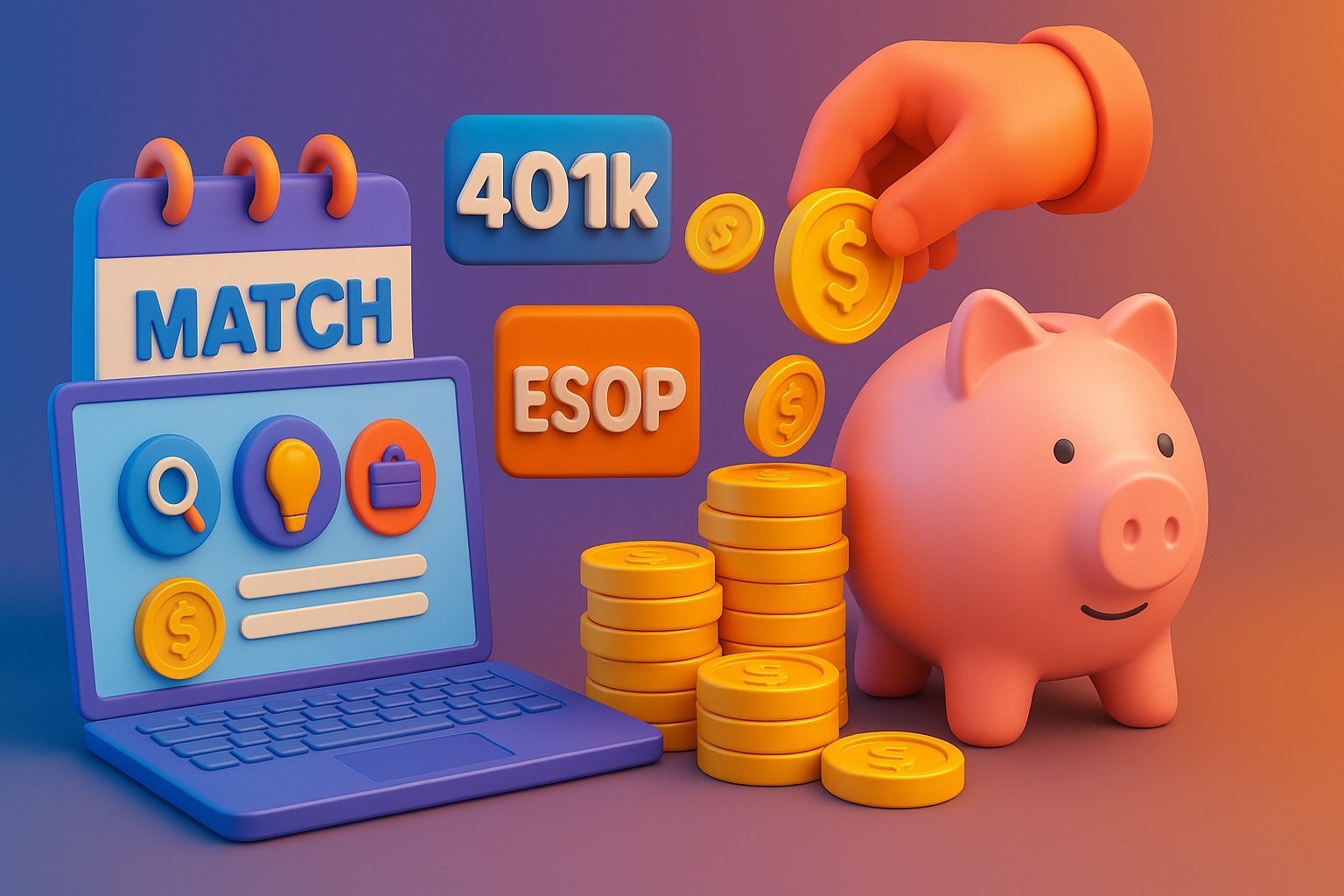
If your workplace offers a 401(k) match or an Employee Stock Ownership Plan, you’re essentially getting free money toward your retirement. Aim to contribute at least enough to capture the full match—if your employer puts in 50 cents for every dollar up to 6 percent of your salary, that’s a 50 percent immediate return. ESOPs can give you shares in your company at little to no cost. Even if you are unable to maximize your personal savings, utilizing these benefits can boost your savings and reduce your future tax obligations.
Sell Unused Items Through Resale Marketplaces
Examine your home: how many gadgets, clothes, or books are accumulating dust? Platforms like eBay, Poshmark, and Facebook Marketplace make it easy to turn those unused items into extra cash. Photograph each piece in good light, write honest descriptions, and price items based on recent comparable sales. Not only does this clear clutter, but the money you earn can be funneled straight into your savings. Set a quarterly reminder to declutter and list items, making the effort a recurring boost to your bottom line.
Top Digital Tools and Apps for 2025 Savers
Technology can simplify your savings journey, from budgeting to investing. Below is a snapshot of some leading tools for modern savers:
| App Name | Key Feature | Best For |
|---|---|---|
| Mint | Automatic expense tracking | Holistic budgeting overview |
| YNAB (You Need a Budget) | Zero-based budgeting philosophy | Hands-on budget managers |
| Acorns | Round-up micro-investing | Passive, automated investing |
| Chime | SpotMe overdraft protection + savings round-ups | Bank account with built-in features |
| Honeygain | Earn passive income by sharing unused bandwidth | Extra cash with zero effort |
Choose apps that match your style—whether you want full control over every dollar or prefer automated transfers and investments. By combining side gigs, employer benefits, decluttering, and these digital helpers, you’ll be well on your way to supercharging your savings in 2025.
Round-up investing apps that turn spare change into investments
Have you ever noticed how spare change from your daily purchases can quickly add up? Round-up investing apps tap into those small amounts and funnel them into diversified portfolios automatically. After linking your debit or credit card, each transaction is rounded up to the nearest dollar, and the difference gets invested on your behalf.
For example, if you spend ₹49.50 on coffee, the app takes ₹0.50 and invests it. Over time, these micro-investments can grow through compound interest and market returns—often without you even noticing the money is gone. Many platforms also let you set custom round-up thresholds (for instance, rounding up to the next ₹5 or ₹10) or add recurring contributions to accelerate growth.
Some popular options include
-
Acorns implements automatic round-ups plus educational content on saving and investing.
-
Stash: Offers round-ups alongside themed ETFs so you can invest in areas you care about.
-
Kuvera: An Indian alternative that allows small investments into mutual funds with zero commission and supports auto-invest features similar to round-ups.
By turning everyday purchases into investment opportunities, round-up apps help you build wealth steadily—all while you focus on your routine.
Eco-Friendly Lifestyle Hacks That Also Save Cash

Energy-efficient home upgrades eligible for 2025 tax credits
Making your home more energy-efficient not only shrinks your utility bills but can also unlock attractive 2025 tax credits. Here are a few upgrades to consider:
| Upgrade | Typical Cost Range | 2025 Tax Credit |
|---|---|---|
| Heat pump installation | ₹100,000–₹200,000 | 30% of cost back as a credit |
| Solar photovoltaic panels | ₹150,000–₹400,000 | ₹15,000 flat credit (subject to caps) |
| Insulation (attic and walls) | ₹20,000–₹80,000 | 10% of material cost |
| ENERGY STAR windows and doors | ₹50,000–₹150,000 | 10% of cost, up to ₹15,000 total |
| Electric heat pump water heaters | ₹40,000–₹80,000 | 30% of purchase and installation costs |
Before scheduling any work, verify eligibility requirements and the maximum credit limits for each upgrade. Once installed, you’ll notice lower energy bills and enjoy a meaningful tax break when you file your 2025 return.
Low-waste meal planning to cut grocery bills by 15 percent
Planning meals to minimize food waste can significantly reduce your grocery expenses. Start by mapping out your week’s dinners, breakfasts, and lunches, then build a shopping list that reuses ingredients across multiple recipes. For example, buy a bunch of spinach once and use it in omelettes, salads, and smoothies. That way, you avoid buying small quantities of many items that sit forgotten in the fridge.
Next, embrace “first in, first out” when you unload groceries at home: place newly bought items behind older ones so you use perishables before they spoil. If you spot wilting veggies, turn them into soups or stir-fries before they end up in the compost bin. And consider batch-cooking staples like grains, beans, or roasted vegetables—you’ll have ready ingredients for quick meals and fewer odds of forgetting leftovers.
| Strategy | How It Cuts Waste | Estimated Savings |
|---|---|---|
| Ingredient overlap (e.g., spinach) | Fewer unique purchases, less spoilage | 5–7 percent off |
| FIFO fridge organization | Uses items before expiration | 3–5 percent off |
| Batch cooking | Reduces last-minute takeout | 5–8 percent off |
Combined, these simple habits can reduce your overall grocery spending by around 15 percent, freeing up cash to funnel into your savings.
From Emergency Fund to Investment: Next-Level Growth
Target size for your emergency fund in 2025’s economy
In today’s climate, aim to stockpile three to six months’ worth of essential expenses in your emergency fund. To calculate this, tally your average monthly outlays—rent or mortgage, utilities, groceries, insurance, and basic transport—and multiply by your comfort level. If you have a stable job and low fixed costs, three months may suffice; if you’re self-employed or have fluctuating income, shoot for six months.
For instance, if your core expenses run ₹40,000 per month, your emergency cushion should range from ₹120,000 to ₹240,000. Keeping this cash in a liquid, high-yield account ensures it’s accessible when you need it, without exposing it to market volatility.
Transitioning surplus cash into index funds and government bonds
Once your emergency fund is fully funded, redirect additional savings toward low-cost index funds and government bonds for long-term growth. Index funds track broad market benchmarks—like the Nifty 50 or S&P 500—offering diversification and historically consistent returns. Government bonds, meanwhile, provide stability and predictable interest, balancing out equity risk.
A simple approach is to adopt a glide path: allocate 70 percent of new investments to index funds and 30 percent to government bonds, then rebalance annually. As your portfolio grows and you edge closer to major goals—retirement, down payment, or education costs—you can gradually shift toward a more conservative mix. This strategy helps your money work harder over time while keeping your risk in check.