
A budget is simply a written plan that matches the money coming in (grants, loans, part-time income) with the money going out (tuition, rent, pizza runs). Mastering a few student-friendly budgeting habits now can prevent credit card debt, reduce student loan dependence, and give you a head start on savings. In the next few minutes you’ll learn five proven tactics, from rule-of-thumb formulas to textbook hacks that top financial-aid offices and money experts recommend.
What exactly is a “college budget”, & why does it matter?

A college budget is more than a spreadsheet; it is your day-to-day game plan for using money with purpose. It forces you to separate absolute necessities (tuition, rent, groceries, Wi-Fi) from nice-to-haves (late-night take-out, premium streaming bundles). By tracking even small “leaks” like a daily latte or frequent ride-shares, you’ll see how a harmless ₹300 purchase repeated four times a week balloons to nearly ₹15,000 over a 15-week semester. The payoff is long-term: fewer high-interest credit card balances, a lighter student loan burden, and a credit score that will make future landlords and lenders smile instead of cringe.
Tip #1: Track Every Dollar You Touch
Use free tools to see your cash flow
Apps such as Mint, NerdWallet, or your bank’s native budgeting dashboard automatically pull transactions the moment they post. Colour-coded pie charts highlight where the majority of your rupees land so you can adjust without guesswork. Activate push notifications for large or unusual charges so nothing sneaks by unnoticed.
Set a 15-minute weekly “money meeting” with yourself
Pick a consistent slot Sunday evening after dinner or Monday morning before class and make it non-negotiable. During this micro-meeting you will:
-
Review every transaction from the past seven days.
-
Snap photos of paper receipts and upload them to your app’s storage or a cloud folder.
-
Compare actual spending with your planned categories and tweak next week’s allowances.
This quick habit keeps finances top of mind and prevents month-end “bill shock”.
Tip #2: Apply the 50/30/20 Rule to Prioritize Needs, Wants & Savings
How the rule breaks down on a ₹83,000 ($1,000) monthly budget
The 50/30/20 guideline, popularised by personal finance researchers and embraced by student aid offices, turns abstract percentages into concrete numbers:
| Allocation | Monthly Amount | Typical Examples |
|---|---|---|
| Needs (50 %) | ₹41,500 | Dorm or rent share, groceries, required course fees, essential transport |
| Wants (30 %) | ₹24,900 | Concert tickets, weekend trips, streaming services, non-essential fashion |
| Savings / Debt (20 %) | ₹16,600 | Emergency fund, extra loan payments, high-yield savings, investing apps |
Tip #3: Slash Textbook, Food & Housing Costs with Creative Hacks
Textbooks
-
Compare ISBNs early. Professors often list multiple acceptable editions; an older one can cost half as much.
-
Buy used or rent. Marketplaces like BookScouter locate the cheapest rental or second-hand copy in seconds.
-
Leverage library reserves. Many campuses keep at least one copy of required texts on a two-hour loan. Photograph key diagrams or chapters during low-demand hours.
-
Sell back promptly. Prices drop fast once a new edition releases, so resell on student-only Facebook groups or dedicated buyback sites as soon as the term ends.
Food
Batch-cook three large dinners each week; think lentil curry, pasta primavera, or stir-fried rice. Divide into single-serve containers and freeze. You’ll eliminate pricey impulse meals and late-night delivery fees. If you have a meal plan, calculate the per-swipe cost; skipping breakfast might mean you’re paying gourmet prices for cafeteria pizza.
Housing
Apply for a Resident Assistant position or similar peer-mentor roles. Many universities offset some or all room charges for RAs in exchange for community-building duties and on-call hours. If RA slots are full, explore co-op housing or subletting arrangements during off-peak semesters when seniors study abroad; the savings can dwarf what you’d earn from a part-time job.
Tip #4: Automate Savings & Build a Mini Emergency Fund
You already know the importance of tracking every rupee, but the real magic happens when you make saving automatic. Automation turns good intentions into guaranteed progress because the money moves before you can spend it.
Set up $25 per week auto-transfer to a high-yield student account
-
Choose a student-friendly bank or credit union that offers a high-yield savings rate. Many pay four to five times the interest of a standard account, so your money works harder while you study.
-
Schedule a recurring transfer for the day after each pay cheque clears. If you earn cash from a part-time job on Friday, move it on Saturday―out of sight, out of mind.
-
Permit “round-up” rules if your bank offers them. Every time you swipe your debit card, the purchase rounds up to the next ₹10, and the spare change drops into savings, accelerating growth painlessly.
| Weekly Transfer | Weeks in a Semester (15) | Cushion Built |
|---|---|---|
| ₹2,100 (≈ $25) | 15 | ₹31,500 (≈ $375) |
| ₹2,100 + casual round-ups | 15 | ₹35 000 + |
That ₹30 000-plus buffer easily covers a surprise lab fee, a last-minute bus ticket home, or a cracked phone screen without touching credit.
Why it works:
Automation removes willpower from the equation. Your checking balance shows only what you are free to spend, so the temptation to “borrow” from savings all but disappears. Consistent micro-deposits also train your brain to view saving as a monthly bill you pay yourself first, not an optional leftover.
Tip #5: Boost Income with Low-Commitment Side Hustles
Cutting expenses gets you only halfway. A modest bump in earnings can supercharge every other tip in this guide.
Options that fit a class schedule
| Side Hustle | Typical Pay Range | Time Flexibility | Where to Find It |
|---|---|---|---|
| Peer tutoring in your major | ₹600–₹1 200 per hour | Evenings and weekends | Campus learning center, departmental bulletin boards |
| Library circulation desk | ₹450–₹650 per hour | Quiet study time on shift | University HR portal |
| Event staff for sports or concerts | ₹500–₹800 per hour | Nights and single-day gigs | Student activities office |
| Micro-tasking (data entry, surveys) | ₹250–₹450 per hour | Anytime, 30-minute chunks | Platforms like Clickworker, Appen |
| Freelance design or coding | Project-based: ₹10,000+ | Set your own deadlines | Fiverr, Upwork, campus clubs |
Why earning matters as much as cutting costs
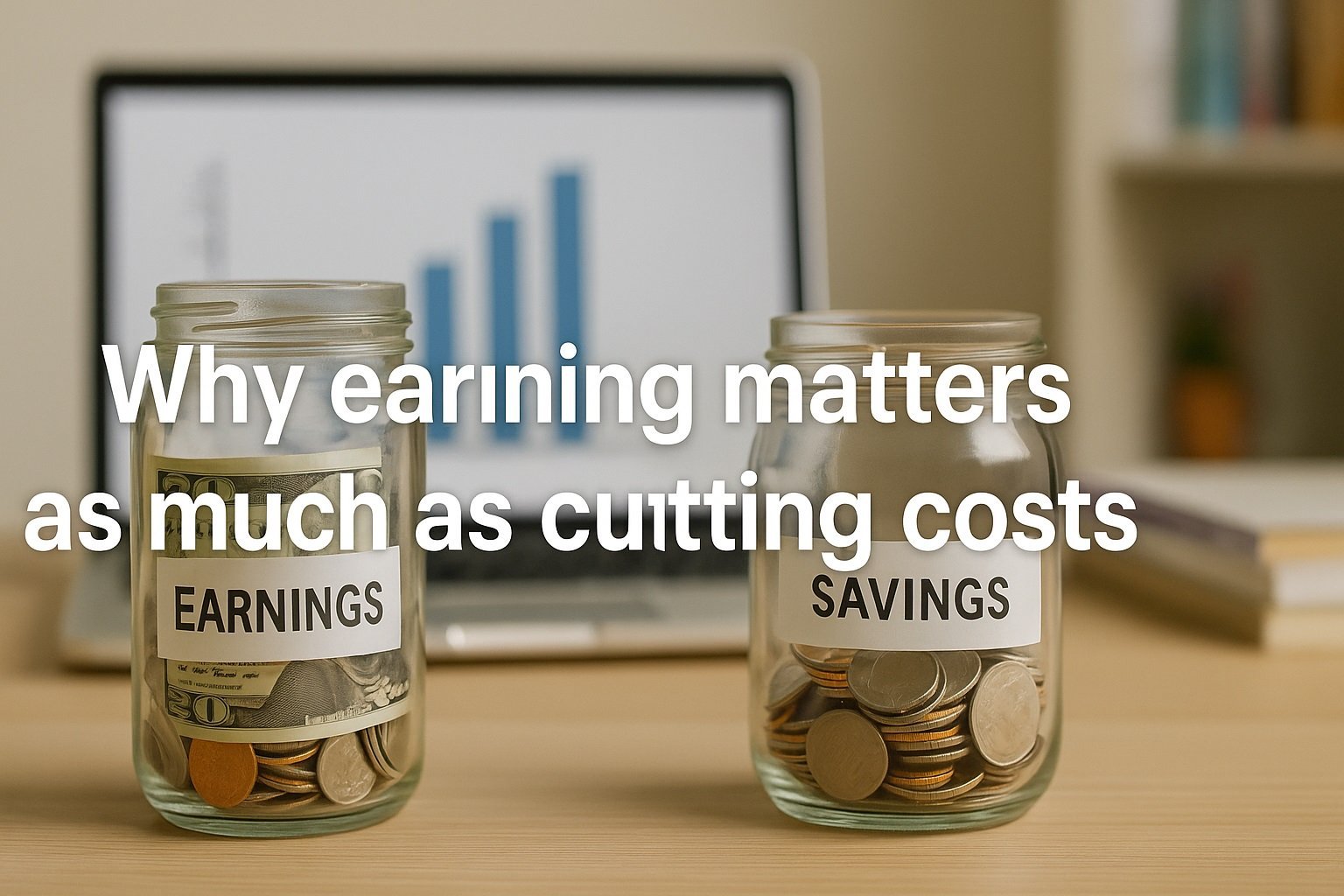
An extra ₹12,500 per month (≈ $150) can:
-
Fully fund your mini emergency stash in just four months.
-
Cover round-trip holiday travel without dipping into loans.
-
Give you leverage to choose internships based on experience rather than pay cheque.
Balancing a side gig with classes also builds résumé-worthy skills – time management, client communication, and even leadership – setting you apart when career fair season arrives.
H2 FAQ (People Also Ask)
| Question | Quick Answer |
|---|---|
| What is the 50/30/20 rule for students? | Allocate 50% of income to needs, 30% to discretionary wants, and 20% to savings or debt payments. |
| How much should I budget for food each month in college? | Aim for $200 – $300; cooking at home and maximising meal-plan swipes keeps you near the lower end. |
| Which budgeting app is best for college students? | Free options like Mint or NerdWallet track spending automatically; YNAB offers students a 12-month trial. |
| How can I save money on textbooks? | Compare prices online, rent or buy used, and always check campus or public libraries before purchasing new. |
| Is it smarter to use cash or credit in college? | One no-fee student credit card builds credit if you pay the balance in full each month, but cash or debit helps limit impulse buys. |