Money basics are the core habits and decisions that shape your financial life: how you budget, save, tackle debt, and start investing. In this guide, you’ll get a simple, repeatable system, as well as checklists and milestone goals, to take control of cash flow, build security, and grow wealth with confidence.
Why this outline
This outline mirrors what top beginner guides tend to include: a clear budget, an emergency fund plan, debt payoff strategies, a saving and investing order of operations, credit and insurance essentials, and simple weekly and monthly routines supported by tools and checklists. The goal is to make Money Basics practical so you can act today and see progress this week.
Could you please clarify what “Money Basics” are
Quick definition
Money basics are the essential skills that help you plan spending, build a cushion, manage debt, invest early, and protect against risks. Think of them as the financial first principles that guide every decision. When you get money basics right, big goals like buying a home or retiring well stop feeling vague and start feeling doable. They are not about perfection. They are about simple money habits you can repeat every month with low effort and high payoff.
Why this matters: a handful of actions produce most of your results. Budgeting for beginners is about visibility and control. An emergency fund buys time and options. Paying down high interest balances reduces drag. Investing early allows time to significantly enhance returns through compounding. Insurance and smart credit use protect your progress. Together, these create a sturdy baseline. In other words, understanding money basics involves making everyday financial decisions that contribute to long-term success.
Strategy steps
-
Map income and expenses. Capture the last 60 days to see where money actually goes. The point is not judgment. The point is data, so your next step is based on reality.
-
Set 3–5 clear goals. Examples: build a one-month cushion, pay off a target card, start a retirement contribution, save for a move, or build a holiday sinking fund. Tie each goal to a number and a date.
-
Pick your money system. Choose a monthly budget style you will stick with, automate as much as possible, and schedule a weekly 15-minute money date. Money Basics works effectively because the system continues to function even when life gets busy.
-
Automate wins. Move savings and debt payments first. Let bills run on autopay when possible. Use bank alerts. Automation is the quiet engine behind Money Basics.
-
Review and adjust. Each month, compare plan vs. actual, nudge categories, and update contributions. Small tweaks keep you on track without drama.
How Do I Build a Simple Budget That Works Every Month?
Quick answer
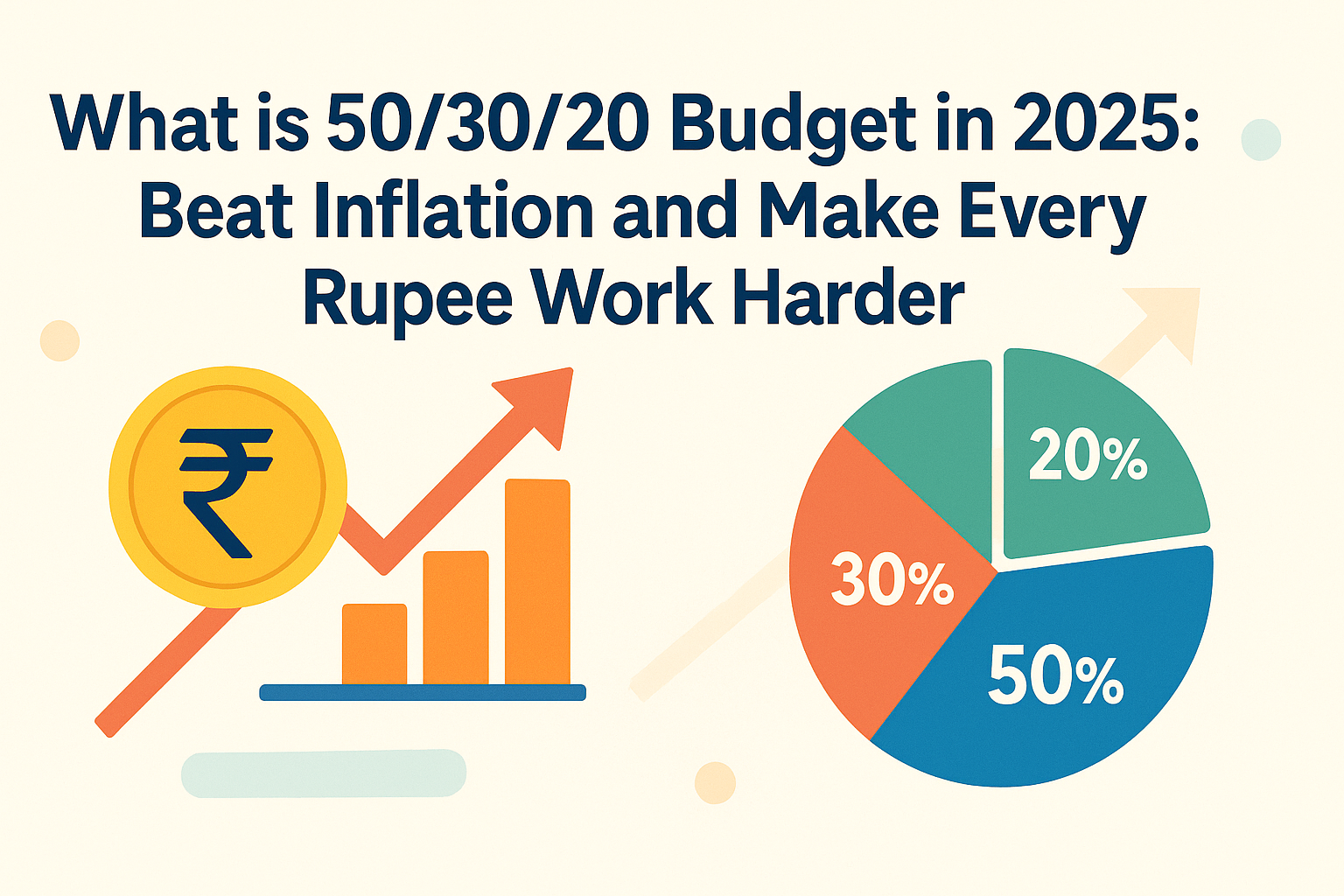
Use a zero-based plan or a 50/30/20 style, then automate essentials. Both styles fit Money Basics. The best budget is the one you can maintain when your week is full.
Strategy steps
-
Track the last 60 days. Please review your statements and organize your spending. You will see patterns fast. This step grounds your budget in truth, not guesses.
-
Sort into needs, wants, and savings. Needs are must-pay items like rent, utilities, transit, basic food, insurance, and minimum debt payments. Wants are flexible lifestyle choices. Savings should include both your emergency fund and investments.
-
Set caps by category. Start with a simple structure that mirrors your spending patterns. If groceries are always the hotspot, give them a realistic cap and monitor weekly. Money basics are about honest numbers that work for your life.
-
Automate bill pay and transfers. Line up due dates, use autopay for fixed bills, and schedule transfers to savings and debt targets right after each paycheck hits.
-
Do a weekly 15-minute review. On the same day each week, reconcile transactions, pay any manual bills, and adjust one thing. This tiny ritual keeps your budget alive.
Tools
-
Spreadsheet or budgeting app. Please choose the tool that you find visually appealing. A simple spreadsheet works. So does a basic app. You do not need sophistication to practice financial basics.
-
Bank alerts. Turn on low balance, large transaction, and bill due alerts.
-
Category rules. Preset how you will handle common situations. For example, if your spending on eating out reaches the budget cap, pause dining out until the next budgeting cycle or consider borrowing from the entertainment category.
Budget methods at a glance
| Method | Core idea | Setup speed | Ongoing effort | Best for |
|---|---|---|---|---|
| Zero-based | Give every dollar a job before the month begins | Moderate | Moderate | Tight control, irregular income |
| 50/30/20 | Allocate 50 percent needs, 30 percent wants, 20 percent savings | Fast | Low | Simple guardrails, quick start |
Caption: Pick the budget style that fits your personality and schedule, then automate the parts you must get right.
Tip: You can blend both. Use 50/30/20 as training wheels for two months, then move to a light zero-based plan once you see your real trends.
How Big Should My Emergency Fund Be, and Where Do I Keep It?
Quick answer
Aim for one month of expenses as a starter cushion, then build toward three to six months over time. In Money Basics, the starter cushion serves as your primary safeguard.
Strategy steps
-
Open a high-yield savings account. Keep your emergency fund separate from checking so you do not spend it by accident. You want instant access with no risk and a clear mental boundary.
-
Set an automatic transfer right after payday. Even a small amount is progress. For many people, weekly transfers feel easier than one big monthly move. Money basics focus on momentum.
-
Park short-term goals separately. Use a second savings bucket for things like travel, car maintenance, or holidays. Keeping goal money separate protects your emergency fund.
-
Calibrate your target. If your income is variable or you support others, lean toward the higher end of three to six months. If your job is stable and you have backup options, you might keep a smaller cushion after you reach other goals.
-
Define what counts as an emergency. True emergencies include job loss, medical bills, or critical repairs. Sales, gifts, and routine expenses do not count. Please document your rules in a note and adhere to them.
-
Refill after use. If you tap the fund, turn on a temporary top-up transfer until it is back on target. This single habit keeps your money basics intact.
What’s the Smartest Way to Pay Off Debt?
Quick answer
Prioritize high interest balances and pick either Avalanche or Snowball. Avalanche attacks the highest rates first for the best math outcome. For quicker victories and motivation, snowball targets the smallest balances first. Money Basics makes room for either approach as long as you keep moving.
Strategy steps
-
List all debts. Include creditor, balance, interest rate, and minimum payment. Seeing everything in one place clarifies your plan.
-
Pick your method. Choose Avalanche for the lowest total interest cost. Choose Snowball if you need quick wins to stick with the plan.
-
Automate the floor. Set autopay for every minimum. This protects your credit and avoids late fees.
-
Aim extra at the target account. Put all the extra dollars towards the chosen focus debt. When it is gone, roll the freed-up payment to the next target. The result is the debt snowball effect, even when you use avalanche ordering.
-
Consider a 0 percent balance transfer or a refinance only when it lowers the total cost. Check fees and timelines. A lower payment is not helpful if total interest rises. Money Basics keeps the focus on the full picture.
-
Avoid new high-interest debt. Pause new card charges while you pay down balances. Use debit or cash for wants until your plan is steady.
Debt payoff methods at a glance
| Method | How it works | Emotional boost | Interest saved | Best use case |
|---|---|---|---|---|
| Avalanche | Pay extra on the highest rate first | Moderate | Highest | Large balances or high rates |
| Snowball | Pay extra for the smallest balance first. | Highest | Moderate | You need quick wins to stay engaged. |
Caption: Pick the method that keeps you consistent, and you will win faster than you think.
Tip: Pair your payoff with a small reward rule. For example, each paid-off account earns a simple celebration within a set budget. Small rewards sustain momentum without derailing Money Basics.
How Do I Start Saving and Investing as a Beginner?
Order of operations
-
Build a starter cushion. Get one month of expenses set aside so market swings will not spook you into bad choices.
-
Capture any employer match if available. Free money beats everything. If a match exists, contribute at least enough to get it.
-
Pay down high-interest debt. High interest fights compounding. Clearing it early is part of the Money Basics playbook.
-
Automate long-term investing. After steps 1–3, set a steady contribution and let time work.
This sequence is the simple order of operations most people can follow without second-guessing. It balances stability and growth.
Strategy steps
-
Choose an account type. When available, start with tax-advantaged accounts for retirement, then use taxable broking for extra investing. If retirement accounts are not available, begin with a simple brokerage account and stick to the same investing rules.
-
Pick a low-cost diversified fund or ETF. For many beginners, a broad market index fund or a target date fund is enough. Keep costs low and stay diversified to reduce stress. This is one of the most powerful money-basic choices you can make.
-
Set a contribution percentage. Start with an amount you can maintain through slow months. Then increase it with every raise.
-
Activate the automatic investment feature and enable dividend reinvestment. Automate the buying and let dividends compound. Automation keeps you from timing the market.
-
Review annually. Check that your contribution rate aligns with your goals and that your investment choice still matches your timeline and risk comfort.
Guardrails
-
Keep costs low. Fees compound in the wrong direction. A small cost gap can grow over years.
-
Stay diversified. Avoid concentrating in a single stock or sector.
-
Do not time markets. Your edge is time and consistency.
-
Increase contributions with each raise. This is one of the easiest money management tips to implement, and it fits perfectly into Money Basics.
How Do Credit Scores & Reports Work?
Quick answer
Payment history and credit usage drive most of the scores. Pay on time, keep balances relative to limits low, and your score tends to improve. Credit reports are the raw data. The score is a summary built on that data.
Strategy steps
-
Pay on time every time. Set autopay for at least the minimum. One missed payment can linger.
-
Keep utilization below 30 percent; ideally, below 10 percent. Utilization is your balance divided by your limit. Lower is usually better.
-
Monitor your reports annually. Look for errors, old accounts that report incorrectly, and signs of fraud. Effective records are part of Money Basics.
-
Dispute any errors you find. Mistakes happen. Fixing them can lift your score.
-
Avoid extra hard pulls. Apply for new credit only when you need it and when it adds value to your plan.
-
Build length and mix over time. Older accounts and a healthy mix of installments and recurring credits help, but they also grow with patience.
Credit score basics are simple in theory and powerful in practice. Consistency over time beats hacks.
What Insurance Do I Actually Need?
Essentials to consider.
-
Health insurance. Protects against large medical bills.
-
Term life insurance if others rely on your income.
-
Disability insurance to protect your ability to earn.
-
Property and liability coverage includes renters, homeowners, and auto insurance, as applicable.
Insurance is risk transfer. You pay a known small cost to avoid a rare large loss. This is a core Money Basics concept.
Strategy steps
-
Choose sensible deductibles and limits. Opting for higher deductibles may reduce premiums, but please ensure your emergency fund can cover the deductible.
-
Use employer benefits when possible. Workplace plans can be simpler and cheaper.
-
Review yearly. As your life changes, update coverage amounts and beneficiaries. A quick annual review keeps this part of Money Basics aligned with your real needs.
Where Do Taxes Fit Into Money Basics?
Strategy steps
-
Calibrate withholding or estimated payments. Aim to avoid big surprises. Adjust as your income changes.
-
Track deductions and receipts. Keep a simple folder or digital notes for items you might need at tax time.
-
Use tax-advantaged accounts when available. Retirement accounts and other tax-friendly options can improve your post-tax results.
-
Set reminders for quarterly or annual tasks. A few calendar nudges remove stress. Taxes integrate with money basics best when you treat them like a routine.
How Can I Grow My Income This Year?
Strategy steps
-
Consider assembling a proof pack to support your pay negotiation. Collect examples of work wins, metrics, testimonials, and a clear summary of how you add value. Practice with a short script. Money basics include advocating for the value you create.
-
Upskill with a focused plan. Pick one certificate, course, or skill that moves your career or business forward. Schedule time weekly and finish it.
-
Test one niche side income. Keep it small and specific, like freelance work in a narrow skill or a service you can do on weekends. Set a simple target, such as one client or your first two sales.
-
Reinvest a portion in learning and tools. Upgrade skills, improve your setup, and build systems. The goal is to make the next dollar easier to earn than the last one.
-
Protect your time. Use a calendar block for deep work and for rest. Sustainable energy is part of Money Basics.
What Banking Setup Keeps Me Organized? cms
Strategy steps
-
You should set up one no-fee checking account specifically for paying bills. Please direct your deposit to this account. Set autopay for fixed bills. This feature makes bill paying boring in the best way.
-
One high-yield savings account for your emergency fund. Keep this separate and labelled.
-
One savings bucket for sinking funds. Use subaccounts or labels for items like travel, gifts, and car maintenance. This helps avoid unexpected expenses that could disrupt your monthly budget.
-
Automate transfers. Schedule a transfer to both your emergency fund and sinking funds on payday. Allocate any extra funds to either debt repayment or investing, depending on your current goal outlined in the Money Basics plan.
-
Enable alerts and review fees. If a bank starts charging, consider switching. Your setup should be simple, low cost, and stable.
What Weekly/Monthly Routines Keep Me on Track?
Money date cadence
Weekly: 15 minutes. Reconcile transactions, pay any manual bills, and adjust one category. Monitor your progress to your nearest goal. Short, consistent reviews anchor Money Basics.
Monthly: 45 minutes. Review categories, compare plans to actual ones, and note any trends. Update automations, tweak caps, and reset goals for the next month. Take a minute to celebrate a win you want to repeat.
How Do I Protect Against Fraud & Scams?
Strategy steps
-
Use a password manager and turn on two-factor authentication. Strong, unique passwords plus a second step stop many attacks.
-
Consider locking or freezing your credit when necessary. This blocks new accounts in your name.
-
Verify senders and payment requests. Slow down when someone pressures you to act fast. Call known numbers, not the number in a suspect message.
-
Avoid public Wi-Fi for banking. Use a trusted connection or a hotspot for sensitive tasks.
-
Set transaction alerts. If you notice anything unusual, please respond promptly. Early detection is key in Money Basics.
-
Teach your household. Share the rules with anyone who has access to your accounts. Fraud prevention is a team sport.
Milestones & Checkpoints
First 30 days
-
Budget drafted. Choose a budget method and set your first month of category caps. Turn on bank alerts.
-
Automate your bills and savings. Autopay fixed bills, where sensible. Schedule transfers right after payday.
-
Starter emergency fund: ₹/$1,000. Park it in high-yield savings. Label it clearly. This single step is a huge Money Basics win.
-
Debt list compiled and method chosen. Please choose between the Avalanche or Snowball method and select your initial target.
-
Prepare the foundation for your investments. If available, turn on a small retirement contribution, especially if there is an employer match.
90 days
-
One month of expenses saved. Your cushion is now meaningful. You can handle small storms without panic.
-
Debt plan in motion. Two or three months of extra payments put a real dent in your target balance.
-
Autocontribution is live. A steady investing contribution is running, and dividend reinvestment is on.
-
The budget is tuned to your real life. Category caps reflect actual patterns. You have a routine that sticks. Money basics now feel natural.
-
Income experiments were tested. If you pursued a raise or a small side income, review results and decide your next step.
12 months
-
Three to six months saved. Your emergency fund fits your stability needs. This cushion is the safety net that supports every other part of Money Basics.
-
Net worth tracking is in place. Update a simple sheet each quarter. Watching progress keeps you engaged.
-
Contribution increases. Raise savings or investing rates with any pay bump.
-
Updated insurance. Coverage reflects your current life. Beneficiaries are correct. The documents are organized.
-
Confident routines. Weekly and monthly money dates take less time and produce better results than when you began.
FAQ (PAA-style)
What are the five fundamentals of money management?
A practical list looks like this: make a monthly plan for every dollar, build an emergency fund, pay bills and debts on time, invest a small amount consistently, and protect your progress with insurance and simple fraud prevention. These are the money basics that keep everything else on track.
How much should I save each month for beginners?
Start with a number you can repeat without stress. Many people begin with five to ten percent of take-home pay across goals, then ramp up as they clear high-interest debt and capture any employer match. Consistency matters more than perfection in money basics.
Should I pay off debt or invest first?
Follow the order of operations. Build a small cushion, capture any available employer match, then work down high-interest debt while keeping a modest investment contribution running if you can. Once you’ve paid off the costly debt, it’s time to boost your investment. This balanced approach is a hallmark of Money Basics.
What is a good emergency fund amount if my income is variable?
Lean high. Aim for at least three months of expenses, then build toward six or more if your work is seasonal or unpredictable. The right number is the one that lets you sleep at night while still making progress on other Money Basics goals.
Which budget method is best: zero-based or 50/30/20?
Choose the budgeting method that you will consistently use. Zero-based offers the most control. The 50/30/20 split offers simple guardrails with less effort. Both fit Money Basics. You can even start with 50/30/20 and switch later.
What’s the safest place to keep an emergency fund?
A separate high-yield savings account that is simple to access, pays interest, and is not tied to daily spending. Keep it boring and safe. This topic is the main focus of Money Basics.
How can I improve my credit score fast?
Please ensure timely payments, work on reducing balances to lower your utilization, and address any errors on your report. Those three steps drive most early improvements. Keep going, and your score tends to rise with time. Good credit habits are core money basics.
What’s a simple beginner investing strategy?
Automate a monthly contribution into a low-cost, diversified fund or ETF that matches your timeline. Turn on dividend reinvestment, ignore market noise, and review once a year. This calm, repeatable plan fits Money Basics.
Which expenses should I cut first when cash is tight?
Start with flexible wants that do not break your life, like unused subscriptions or impulse meals out. Negotiate bills where possible and look for lower-cost alternatives. Protect housing, utilities, food, insurance, and minimum debt payments. This is triage, Money Basics style.
How do I set up automatic savings and investing?
On payday, schedule transfers to savings and to your investing account. Turn on automatic investing and dividend reinvestment. Label each transfer by goal so it feels real. Automation is the backbone of Money Basics.
How many bank accounts do I need?
Three is enough for most people: a checking account for bills, a high-yield savings account for your emergency fund, and a second savings bucket for sinking funds. Simple beats fancy in Money Basics.
How do I avoid common money mistakes in my 20s/30s/40s?
In your 20s, build habits and avoid high-interest debt. In your 30s, raise contributions and protect your time and health. In your 40s, keep costs low, stay invested, and focus on resilience. Across all decades, stick to the basics of money, and you will avoid the big pitfalls.