

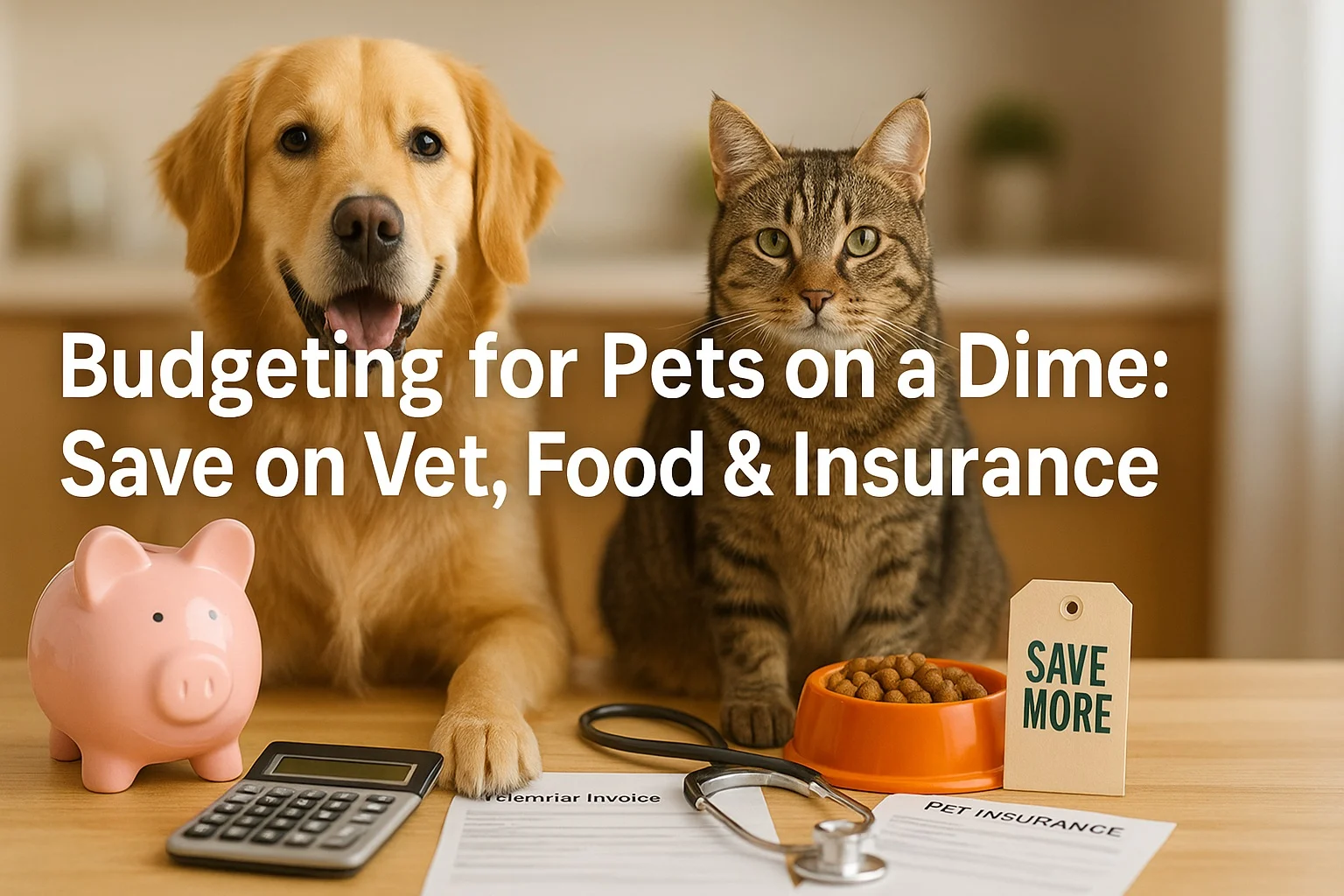
Pet budgeting tips help you enjoy pet parenting, one of life’s greatest joys, without letting unexpected costs sneak up on you. “Pet budgeting” simply means predicting and controlling every expense that keeps your furry, scaly, or feathered friend happy: preventive veterinary care, emergency treatments, food, treats, insurance premiums, toys, grooming, boarding, and even licensing fees. In this guide, you will map out a realistic monthly budget, uncover hidden savings on premium nutrition, and determine whether insurance is worth the premium. By the end you will know exactly where each rupee goes, how to stretch it further, and how to build a safety net so your pet never misses essential care.
Why These Pet Budgeting Tips Matter
Creating a written budget gives you control, confidence, and clarity. Without one, you may overspend on impulse toy purchases, underfund routine vet visits, or get blindsided by a surprise surgery bill. A budget shines a spotlight on how small decisions today ripple into long-term wellness and financial freedom tomorrow. It also highlights trade-offs: maybe grooming at home will free up cash for higher-quality food, or skipping one café latte funds a monthly insurance rider. The peace of mind is priceless.
Average Annual Cost Breakdown
| Expense Category | Small Dog (USD) | Large Dog (USD) | Cat (USD) | Notes |
|---|---|---|---|---|
| Routine Vet Exams | 150-250 | 200-350 | 120-220 | Includes vaccines and wellness checks |
| Emergency Fund Goal | 800-1500 | 1000-2000 | 500-1200 | Keep liquid savings ready |
| Food & Treats | 300-600 | 500-900 | 250-500 | Depends on diet quality and portion size |
| Parasite Prevention | 120-180 | 150-240 | 90-150 | Flea, tick, heartworm prevention |
| Insurance Premiums | 300-720 | 420-900 | 240-600 | Varies by breed, age, plan level |
| Misc. Supplies & Toys | 100-200 | 150-300 | 80-160 | Collars, litter, chews, beds |
This snapshot shows why planning ahead is essential. Even a healthy cat can cost one thousand dollars per year when you factor in high-quality nutrition and routine care. Multiply that across the pet’s lifetime, and the numbers quickly reach five figures.
Hidden Costs Owners Overlook
-
Owners often overlook the costs associated with licensing and registration. Some cities fine owners who skip annual renewals.
-
Boarding, pet sitting, or dog-walking when you travel or work long hours.
-
Breed-specific grooming services include haircuts, nail trims, and dental cleanings.
-
Home repairs from chewed cables or scratched furniture.
-
Training classes that curb behavior issues and prevent property damage later.
Recognizing these stealth expenses early helps you allocate cash before it becomes an emergency.
Estimating Your Pet’s Vet Expenses
The process of predicting veterinary costs begins with two categories: preventive care, which you can schedule, and emergencies, which you cannot. Build both into your spreadsheet so a midnight trip to the animal hospital never wrecks your credit card.
Preventive vs. Emergency Care What to Expect
Preventive care includes annual wellness exams, core vaccinations, dental checks, blood work, spay or neuter surgery, and ongoing parasite control. When handled on schedule, preventive visits often save thousands by catching disease early. A senior dog’s annual blood panel might reveal kidney trouble long before symptoms, letting you adjust diet and medications cheaply instead of paying for hospitalization later.
Emergency care ranges from twisted knees to swallowed toys. Due to the unpredictable nature of crises, the costs can vary significantly. A basic after-hours exam could cost one hundred dollars, while surgery to remove an intestinal blockage can exceed three thousand. Plan by padding your emergency fund with at least one thousand dollars and adding ten percent of each paycheck until you reach your comfort threshold.
How to Find Low-Cost or Community Clinics
-
Call local humane societies. Many partner with veterinarians to offer vaccine drives or affordable spay and neuter days.
-
Ask your primary vet about wellness plans. Monthly memberships bundle routine services at a predictable charge, sometimes including unlimited office visits.
-
Search veterinary school hospitals. Teaching clinics let senior students perform procedures under supervision at reduced rates.
-
Look for nonprofit funds. National charities often grant one-time aid for owners facing sudden medical bills.
Keeping a list of these resources in your phone speeds up decision-making when minutes count.
Cutting Pet Food Costs Without Sacrificing Nutrition
Premium diets fuel healthy coats and robust immune systems, yet quality does not always equal top-shelf pricing. A strategic shopper can slash the food bill by forty percent without touching ingredient integrity.
Bulk Buying & Subscription Strategies
-
Club warehouses and farm stores often stock reputable, grain-free kibble in forty-pound bags far cheaper per pound than boutique shops.
-
Manufacturer auto-ship discounts typically shave five to fifteen percent off each delivery and guarantee fresh stock.
-
Group orders with friends lower shipping fees and unlock volume rebates no single household could reach alone.
-
Loyalty programs reward points toward free bags or veterinary nutrition consults.
Always calculate cost per pound rather than staring at the sticker price. A thirty-dollar twenty-pound bag costs 1.50 per pound, while a fifty-dollar forty-pound sack costs 1.25 per pound despite the higher upfront spend.
DIY Healthy Treats and Meal Toppers
Home-prepared snacks add excitement without blowing your budget. Bake bite-size cubes from lean chicken, pumpkin, and oat flour. Dehydrate thin sweet potato slices for chewy dental treats. Blend plain yogurt with blueberries, then freeze into silicone molds for hot days. Each option costs pennies compared to branded jerky while avoiding artificial preservatives.
Meal toppers stretch kibble and improve palatability. Stir a tablespoon of canned sardines packed in water into your dog’s bowl once weekly to supply omega-3s. For cats, sprinkle crushed freeze-dried liver over dry food to stimulate picky eaters. A two-dollar tin can flavor six meals, proof that small enhancements go a long way.
Is Pet Insurance Worth It?
Insurance debates divide pet parents, yet data shows rising veterinary prices outpacing inflation. A single accident can erase years of diligent saving. The key is matching the policy type and deductible to your financial tolerance and your pet’s risk level.
Policy Types Explained (Accident Only, Accident Illness, Wellness Riders)
-
Accident-only plans reimburse injuries like broken bones or snake bites. Premiums are lowest, but illness exclusions leave gaps.
-
Accident and illness policies cover major disease treatments such as cancer, diabetes, or chronic ear infections alongside injuries. They dominate the market due to broad protection.
-
Wellness riders add routine care like vaccines and dental cleanings, though many owners find that they cost more than paying out of pocket.
Analyze your pet’s age, breed predispositions, and local vet fees before choosing.
Compare Plans: Premium vs. Deductible vs. Reimbursement
When comparing quotes, focus on three levers:
-
Monthly premium. Lower premiums often pair with higher deductibles.
-
Annual or per-incident deductible. This is the amount you must pay before reimbursement kicks in.
-
Reimbursement percentage. Common options are 70, 80, or 90 percent of covered costs after deductible.
A healthy three-year-old mixed-breed dog might see premiums of thirty dollars per month with a five hundred dollar annual deductible at eighty percent reimbursement. This means that if the surgery costs two thousand dollars, you will pay the first five hundred, and then the insurance will send you twelve hundred. You saved a net amount of seven hundred dollars and avoided paying interest on your credit card. Run similar scenarios or use insurer cost calculators to see which combination best balances monthly cash flow with catastrophic support.
Seven Proven Budgeting Tips to Save Money & Live Better
-
Build a dedicated pet emergency fund. Open a separate high-yield savings account, nickname it “Fido Fund,” and automate fifty dollars per month. Interest compounds quietly while you sleep.
-
Schedule and bundle preventive vet visits. Book vaccines, blood work, and nail trims in one appointment to avoid multiple office fees.
-
Use discount programs and coupons strategically. Subscribe to pet store newsletters for rotating deals and stack them with credit card cash back.
-
Leverage cash-back credit cards for recurring spending. A card that returns two percent on groceries can offset litter and kibble bought at supermarkets, lowering net cost.
-
Rotate high-quality kibble with affordable wet food. Mixing formats maintains excitement and balances nutrients without relying solely on expensive niche brands.
-
Swap or share bulk orders with fellow pet parents. Splitting a fifty-pound bag with a neighbor cuts storage needs and keeps food fresh.
-
Re-evaluate your budget every six months. Prices rise, pets age, and needs shift. Adjust categories just as you would with a human household budget.
Putting It All Together: Your 30-Day Pet Budget Plan
Achieving lasting savings requires incremental action. Below is a month-long roadmap that turns ideas into routine behavior.
Week-by-Week Checklist
| Week | Core Action | Outcome |
|---|---|---|
| 1 | Gather the last twelve months of receipts, vet invoices, and food orders. Enter figures in a spreadsheet. | A clear view of the actual spending baseline. |
| 2 | Research three insurance providers, request quotes, and compare coverage terms. | Decide whether to enroll or increase the emergency fund instead. |
| 3 | Tour two local big box retailers and one feed supply store to record the cost per pound of preferred food. | Please verify the lowest recurring price and proceed to enroll in auto-ship. |
| 4 | Open a dedicated emergency savings account, set automatic transfers, and schedule a bundle of wellness appointments for the vet. | Structure locks savings habits in place and ensures preventive care is on the calendar. |
Tracking & Adjusting With Free Apps
Budgeting apps, such as Mint and YNAB, or simple Google Sheets templates, can link to your bank accounts, categorize each pet purchase, and show spending trends. Set alerts when spending exceeds monthly targets. Some credit unions also feature goal saver pods that gamify saving with progress bars. Select a tool you find enjoyable to use, as consistent input is crucial for success.
FAQ: Answering People Also Ask (PAA) Queries
How much should I budget monthly for a dog?
Plan on seventy-five to two hundred dollars. A small mixed breed may fall at the lower end, while a giant purebred with insurance hits the upper range. Include food, routine vet care, parasite prevention, and a contribution to the emergency fund.
Can I save on vet bills without insurance?
Yes. Prioritize preventive checkups, join wellness plans that spread costs, use community clinics for vaccines, and ask for written prescriptions to shop around at pharmacies that honor pet meds.
What is the cheapest yet healthiest pet food?
Look for brands carrying the Association of American Feed Control Officials statement for complete and balanced nutrition. Purchase in bulk from warehouse stores or direct from manufacturer auto-ship programs to reduce cost per pound while maintaining quality ingredients.
Is pet insurance tax deductible?
Generally, pet insurance is not tax deductible unless the pet qualifies as a service animal or is classified as a direct business asset, such as a working farm dog or a social media influencer who generates documented income.
How do I create an emergency fund for my pet?
Open a separate savings account with no fees, give it an easily identifiable name, and set an automated transfer of five to ten percent of your average monthly pet costs. Treat this account as untouchable for any non-pet purpose.