Emergency Funds at Every Income Level: Proven 2025 Playbook for $30K, $60K & $100K+ Earners
An emergency fund is a separate pile of liquid cash that sits between you and the curveballs life loves to throw. Think sudden job loss, a cracked radiator, an unexpected medical bill or a last-minute trip to help family. By design, emergency funds are boring. They earn modest interest, they live in plain-vanilla accounts and they wait patiently until calamity calls. Yet this quiet cash reserve is the single most powerful tool for financial sanity.
A Bankrate survey released in May 2025 reports that sixty percent of American adults feel uneasy about their current savings, and nearly a quarter have no backup money at all. At the same time, layoffs are trending higher year over year, while essential costs like groceries and rent refuse to roll back to pre-2023 levels. You and I cannot predict the next blow, but we can control how prepared we feel when it lands.
Below you will find a complete game plan that shows exactly how big your emergency fund should be at three common pay levels and the fastest way to build it without starving your lifestyle. Whether you clear thirty grand or six figures, the method works the same. Ready? Let us turn anxiety into confidence.
Why Every Income Level Needs an Emergency Fund in 2025
Layoff Spike & Income Shock
From January through May 2025, the nationwide layoff count jumped eighty percent compared with the same stretch in 2024. Retail pink slips led the pack with an eye-popping two-hundred-seventy-four percent surge. In plain English, the chance that your pay cheque stops without warning is climbing. A healthy emergency fund converts that scary income shock into a manageable inconvenience. Instead of scrambling to cover rent or student loans, you draw from the buffer, focus on job-hunting strategy and avoid high-interest debt.
Companies of every size are running leaner after the turbulent early 2020s. Even rock-solid workers are discovering that stellar reviews do not guarantee continued employment. A strong cash cushion buys you choice. It gives you space to negotiate severance, weigh relocation options or turn down the first lowball offer that lands in your inbox. With three to six months of bare-bones expenses set aside, you can treat a layoff as a tactical pause rather than a crisis.
Inflation & Rising Essential Costs
Inflation cooled from its 2022 peak, yet core living costs remain sticky. Food, housing and childcare still sit well above pre-pandemic normals. The ripple effect is simple: every grocery run and utility bill eats more of each pay cheque. Families that used to make ends meet without thinking suddenly find their budget razor-thin. When margins shrink, even a cheap emergency risks turning into credit-card debt.
Emergency funds act as insulation. If your fridge dies in July, you can tap the reserve, replace the appliance and then rebuild the savings at your own pace. No need to juggle multiple zero-per-cent card offers or raid retirement contributions. The cash is there, silent and ready, making inflation less frightening.
How Much Should You Save? (Quick Start Calculator)
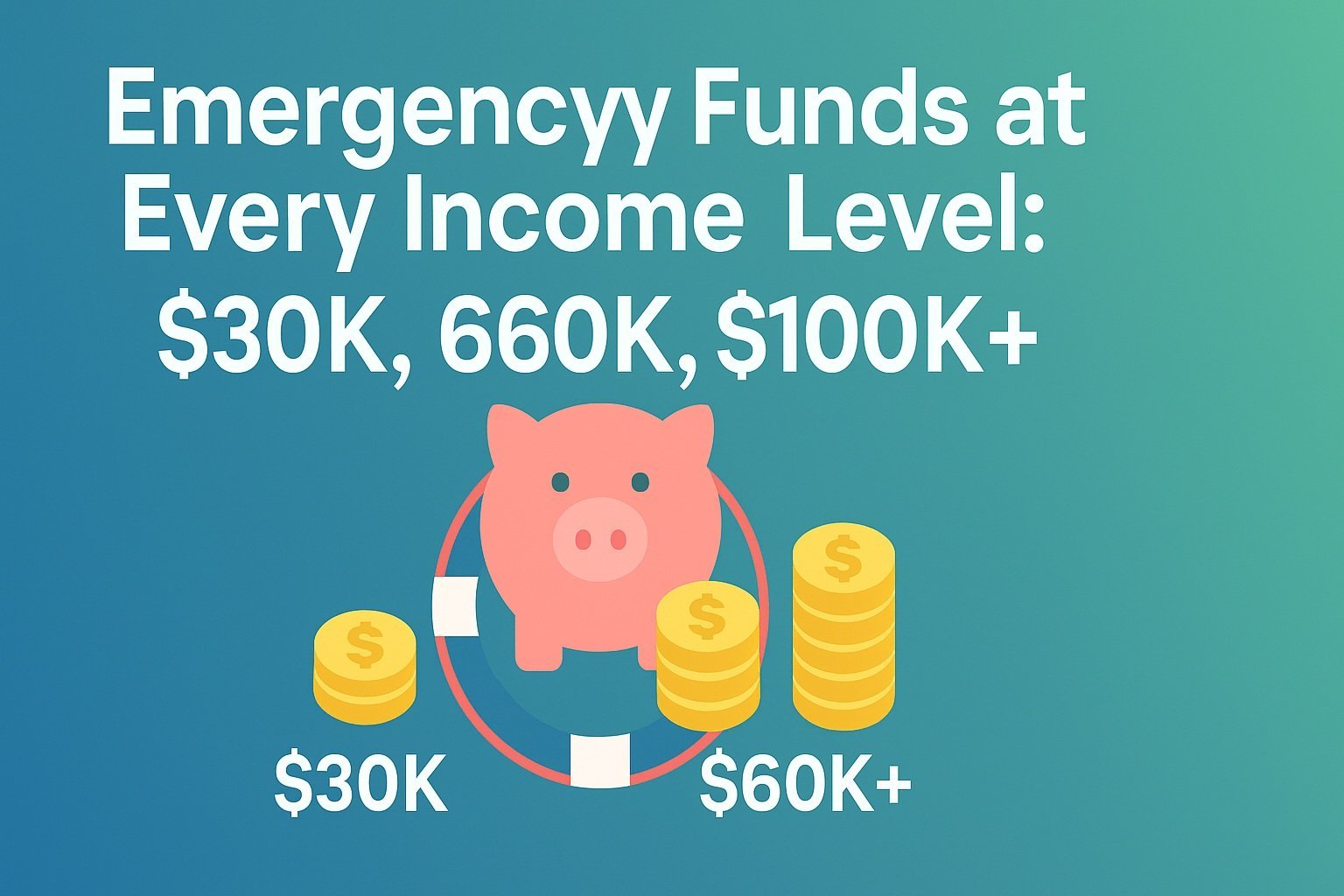
Financial planners often recommend stashing three to six months of core living expenses. Core means the essentials that keep the lights on: rent or mortgage, groceries, utilities, insurance and minimum debt payments. Luxuries like streaming bundles and brunch can wait. Use the table to find a starting point, then tweak the numbers to match your actual bills.
| Gross Income | Typical bare-bones monthly expenses* | 3-month floor | 6-month target | Stretch sleep-easy goal |
|---|---|---|---|---|
| $30K | about $1,800 | $5 400 | $10 800 | 9-month $16 200 |
| $60K | about $3 000 | $9 000 | $18 000 | 9-month $27 000 |
| $100K+ | about $5,000 | $15 000 | $30 000 | 9-to-12-month $45 000-$60 000 |
*Replace estimates with your own essentials to lock in an accurate target.
Caption: The calculator shows how emergency funds scale with income and highlights practical savings targets for three salary bands.
With the picture clear, your next step is execution.
Step-by-Step Strategy to Build (or Rebuild) Your Fund
1. Pinpoint Your Bare-Bones Budget
Open your banking app, download the last thirty days of transactions and label each purchase as essential or optional. Rent? Essential. Morning latte? Optional. Add up only the essentials to find the true cost of staying afloat. This number is smaller than your current lifestyle budget, and it becomes the yardstick for your emergency fund goal.
A simple spreadsheet works, but there are plenty of free fintech tools that auto-tag categories. The clarity from this audit is priceless. It exposes subscriptions you forgot and underlines which luxuries you could pause if income stops. Most readers finish shocked to see how lean survival can be.
2. Adopt Reverse Budgeting – Pay Yourself First
Traditional budgets list bills and discretionary spending first, then save whatever scraps remain. Reverse budgeting flips the script. Decide the dollar amount for savings, set an automatic transfer from checking to a dedicated high-yield savings account on payday, and let the rest fund daily life. This single automation forces discipline without relying on willpower.
For example, if your essentials cost $2 000 monthly and you aim to build a three-month emergency fund in one year, you need $6 000 total. Split that across twenty-four biweekly pay periods and schedule a $250 auto-transfer every two weeks. The money moves before you see it, so you never feel the tug of temptation.
3. Pick the Right Parking Spot
Emergency funds must stay liquid. You want cash you can touch within hours, not investments swinging with the market. High-yield savings accounts and insured money-market deposit accounts pay between four and five percent annual percentage yield in mid-2025. They also keep principal safe under FDIC or NCUA coverage up to $250 000 per depositor per bank. Online-only banks often offer the best rates and no-fee structures.
Avoid certificates of deposit that lock money for a term, and never tuck the fund into stock mutual funds. The goal is stability, not maximum return. Interest is a bonus that helps offset inflation while your money waits.
4. Accelerate with One-Time Infusions
Regular transfers build momentum, but lump sums can slash the timeline.
-
Tax refund or bonus: Allocate at least half straight to the emergency fund before you celebrate.
-
Side-gig income: Freelance work, weekend ride-share shifts or flipping furniture on marketplaces can funnel fresh cash into savings.
-
Budget purge week: Cancel one subscription, renegotiate insurance or sell unused gadgets. Redirect every recovered dollar.
Many readers underestimate how quickly these windfalls add up. Combine a $2,000 refund, a $300 bonus and $50 monthly from a trimmed gym membership, and you shave months off your goal.
5. Guard & Replenish
Treat the fund as sacred. Only genuine surprises justify a withdrawal. Car tyres after a nail? Yes. Annual car registration you knew was due? No. When you do pull money, restart auto-transfers until the balance returns to target. This habit keeps the wall intact and ensures you never slide back into pay cheque-to-pay cheque stress.
Income-Specific Playbooks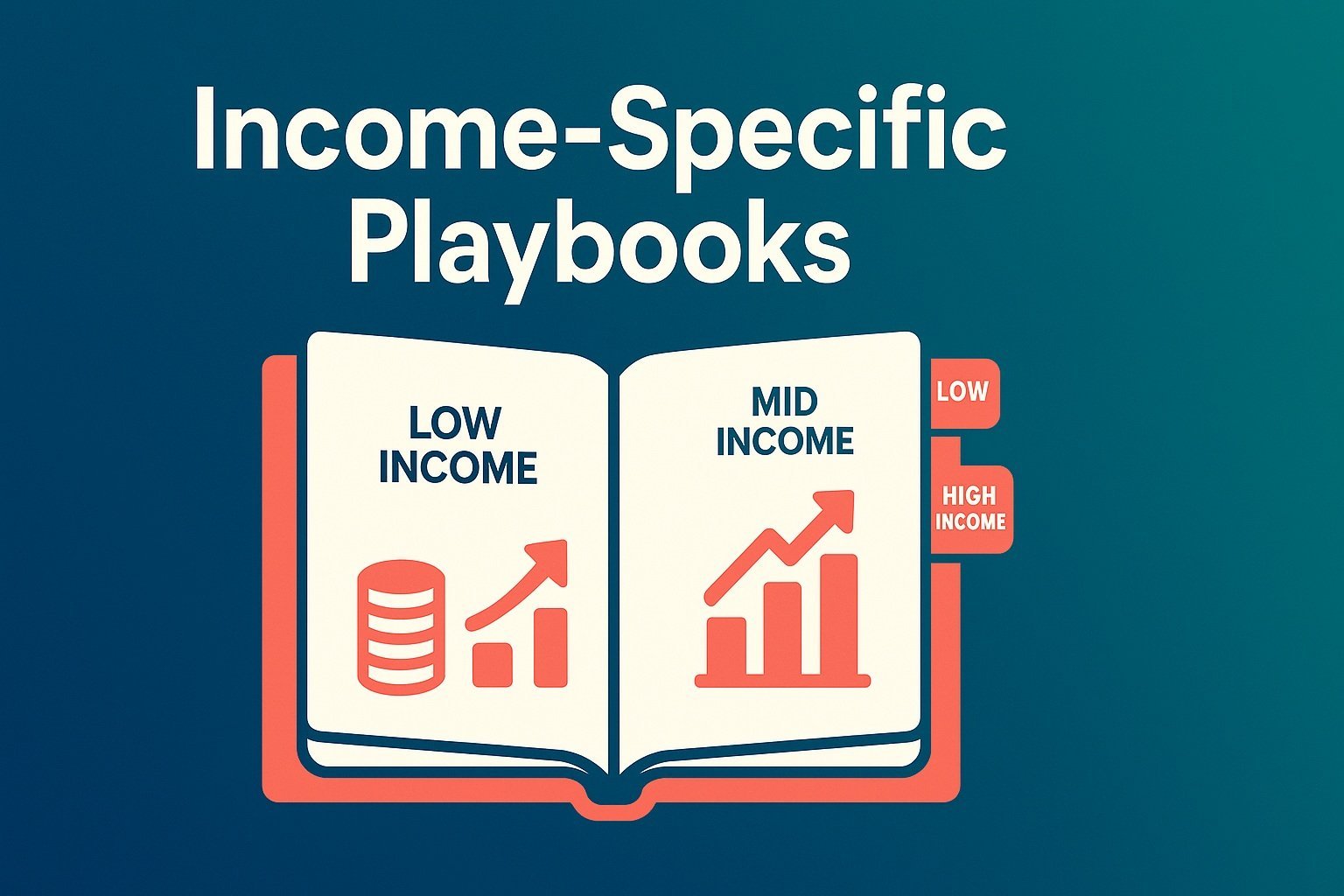
If You Earn About $30K
Building emergency funds on a modest salary requires creativity, but it is absolutely doable.
-
Micro-savings challenges: The classic $10-per-day or $5 challenge turns pocket change into $1 825-$3 650 in a year. Use a rounding-up app that sweeps spare change into savings.
-
Employer-funded accounts: If your job offers a Health Savings Account with matching dollars, treat it as a medical-only extension to your emergency fund. Keep receipts and reimburse yourself tax-free when needed.
-
Roommate strategy: Sharing housing costs can slice your essential expenses almost in half, dramatically lowering the fund target.
-
Cash-only weekends: Swiping cards hides spending leaks. Using a $40 cash envelope from Friday to Sunday reveals how fast small treats add up.
-
Community resources: Free public events, library book rentals and car-share programmes help maintain quality of life while you boost savings.
If You Earn About $60K
Middle-income earners juggle greater lifestyle creep yet enjoy bigger wiggle room.
-
50-20-30 tweak: For six months, flip the classic rule to 50-20-30, where twenty percent funds emergency savings and other goals, while wants get the smaller thirty slice.
-
Launder raises: The next pay bump should land completely in the fund. Because you lived on the old salary, you will not feel poorer.
-
Subscription audit bonanza: Families at this bracket average twelve active streaming, software and app memberships. Axing even three saves hundreds annually.
-
Seasonal side gigs: Tutor during exam season or referee youth sports. These gigs align with specific months and prevent burnout.
-
Cashback maximiser: Channel mandatory spending through a reward card, then sweep the cashback into the fund monthly. Discipline is critical – always pay the balance in full.
If You Earn $100K or More
High earners face larger absolute expenses and often longer job searches, so the cash buffer target stretches to nine or even twelve months.
-
Dual-bank strategy: Keep no more than $200 000 in any single institution to stay under insurance caps while still earning prime rates.
-
Percentage method: Aim for fifteen percent of take-home pay directed toward emergency funds until you reach your target. Excess can then flow into broking accounts.
-
Annual bonus split: Many six-figure professionals receive performance payouts. Commit fifty percent to the fund, thirty percent to extra debt or investing, and twenty per cent for lifestyle upgrades.
-
Expense deflation: High earners can save thousands by downgrading luxury car leases or renegotiating premium gym packages, all without harming quality of life.
-
Professional retraining stash: Reserve a slice of the fund for certification courses or relocation if the industry shifts. Being able to upskill quickly is a secret edge.
Common Pitfalls to Avoid
-
Investing the fund in stocks: market swings can erase value on the very day you need stability. Keep emergency funds liquid.
-
Commingling with checking: When savings and spending live in one account, lines blur and temptation wins. Use a separate vault.
-
Ignoring debt minimums: Falling behind torpedoes your credit score. Keep minimum payments current even while building your cash buffer.
-
Forgetting to adjust the target: life events like a new baby or moving cities change essential costs. Recalculate yearly.
-
Overfunding at the expense of growth: Once your emergency fund hits the upper limit, redirect extra money into retirement or investment accounts where it can compound.
FAQ: People Also Ask
Is $1 000 an emergency fund?
It is an excellent starter cushion and covers about half of common surprise bills, but recent surveys show most unexpected expenses now top $1,400. Use it as a milestone, then push quickly toward three months of essentials.
Where should I keep my emergency fund?
Choose a high-yield FDIC-insured savings account or an NCUA-insured money-market deposit account with instant transfer capability. They balance safety, liquidity and modest interest.
Should I pay off debt or build the fund first?
Do both. Keep making minimum debt payments to avoid fees and credit damage while funnelling any extra cash into savings until you reach one month of expenses. After that, split the surplus between high-interest debt payoff and topping up the fund.
Does a couple need double the fund?
Not exactly. Focus on shared essential expenses, not combined income. If you both lose work at once, expenses like rent and utilities do not double. Calculate the fund based on the joint survival budget.
What counts as a true emergency?
An expense that is unforeseen, necessary and time-sensitive: job loss, medical procedure, critical home or auto repair. Planned costs like annual insurance premiums or vacations do not qualify. Create separate sinking funds for those predictable items.