
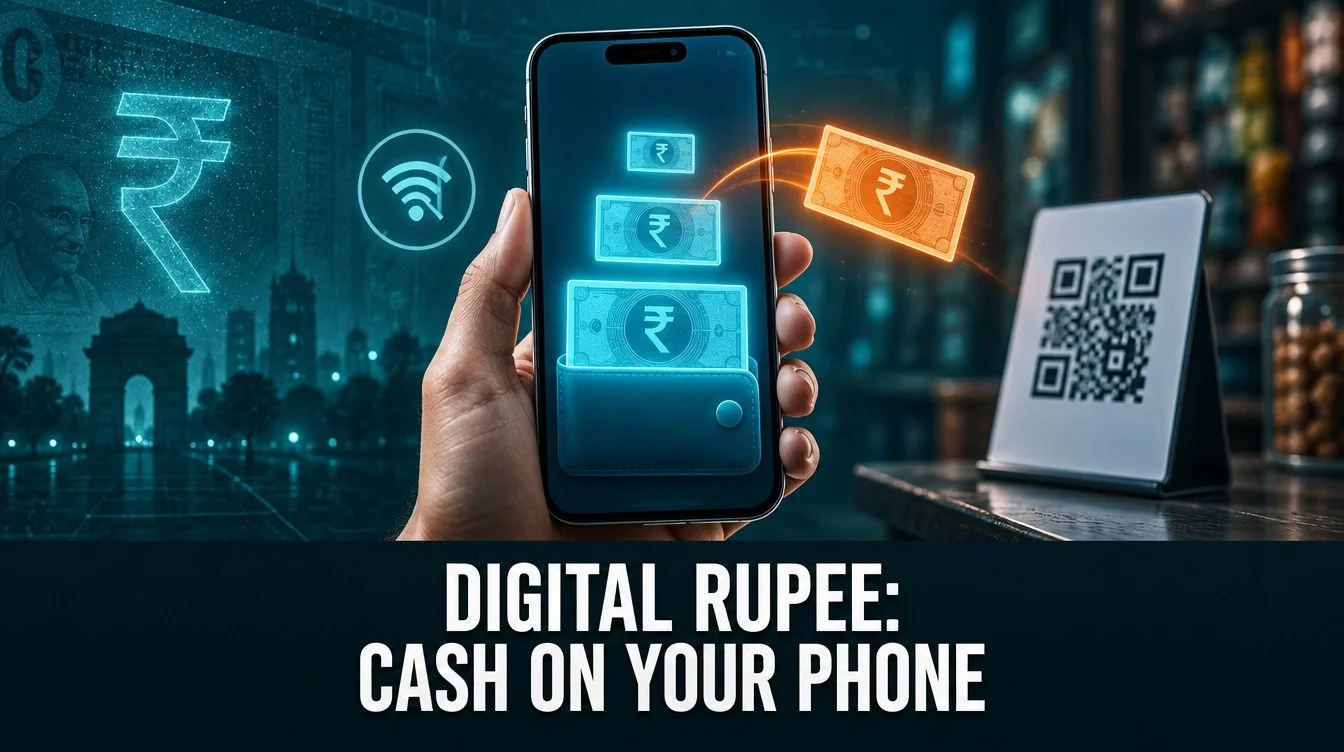
The RBI CBDC retail pilot is the Reserve Bank of India’s live test of a digital rupee that ordinary people can hold and spend, and in 2026 it has widened to more banks, more cities, and offline use. If you have seen the words “e-rupee” in your banking app and wondered what they mean, this guide breaks it down in plain terms.
A central bank digital currency, or CBDC, is money issued directly by the RBI in digital form. It is not a bank deposit, and it is not a private cryptocurrency. It is the same sovereign rupee you already trust, only in a token you can carry in a wallet on your phone.
What the RBI CBDC Retail Pilot Actually Is
The RBI CBDC retail pilot began in December 2022 with a small group of banks and users, and it has expanded steadily since. The retail version, called e-rupee or e-Rs, is meant for everyday payments by individuals and small merchants. There is also a separate wholesale CBDC used by banks for settlement, but that is not what you would hold in your pocket.
The digital rupee is legal tender. One e-rupee equals one paper rupee, and it does not earn interest, exactly like the cash notes in your wallet. You load it into a dedicated CBDC wallet offered by a participating bank, usually by moving money from your savings account. The same RBI that sets the country’s monetary policy through its rate decisions is the sole issuer of these tokens, which is what makes the digital rupee different from anything a private company could launch.
- Issuer: the Reserve Bank of India, directly.
- Form: a digital token stored in a bank-provided wallet app.
- Value: pegged one-to-one with the physical rupee.
- Interest: none, because it is cash, not a deposit.
How the Digital Rupee (e-rupee) Works
The e-rupee uses a token model rather than an account balance. Instead of the bank keeping a number next to your name, the RBI issues digital tokens in fixed denominations, the same ones you know as notes and coins: Rs. 500, Rs. 200, Rs. 100, Rs. 50, Rs. 10, and smaller. When you pay, the actual token moves from your wallet to the receiver’s wallet.
Token-Based vs Account-Based Money
Money in your savings account is account-based. The bank records that it owes you a balance, and every payment is a debit-and-credit entry in the bank’s ledger. The digital rupee is token-based. The value sits in the token itself, so when you hand it over, you are handing over the money directly, much like passing a Rs. 100 note. This design is why CBDC can work even when the banking network is slow, and it is closer to physical cash than to a bank transfer. It also matters for how the RBI thinks about liquidity and the policy rates it manages.
Loading and Spending the e-rupee
Using the digital rupee follows a simple flow:

- Open a CBDC wallet inside your participating bank’s app and complete a quick verification.
- Load e-rupee by transferring from your linked savings account.
- Pay a merchant or a friend by scanning a QR code or selecting their wallet.
- The tokens move instantly, and both sides see the updated balance.
Many merchant QR codes are now interoperable, so a single QR can accept both UPI and the digital rupee, which removes the need for separate signage at a shop counter.
CBDC vs UPI: What Is the Difference?
CBDC is central bank money held as tokens in your wallet, while UPI is a fast messaging system that moves your existing bank deposits between accounts. With the digital rupee, the RBI is the direct issuer, and the value lives in the token. With UPI, your bank still holds your money and simply instructs another bank to move it.
In daily use the two can feel similar, because both let you scan a QR code and pay in seconds. The difference sits underneath. UPI is plumbing that connects bank accounts, and the money you send is a claim on your bank. The digital rupee is the money itself, a direct liability of the RBI. Because CBDC is settled the instant a token moves, there is no interbank settlement waiting in the background. Understanding this helps you see how central bank money and everyday inflation are connected, a theme we cover in our note on India’s recent inflation trend.
- Who holds the money: your bank under UPI or the RBI under CBDC.
- What moves: a payment instruction under UPI, an actual token under CBDC.
- Offline ability: UPI needs connectivity for most transactions, while CBDC is being built to work offline.
CBDC Offline Payments and Privacy
One of the headline features in the 2026 phase is CBDC offline payments. The RBI has been testing ways to let you pay when there is no mobile signal, such as in a basement shop, a moving train, or a village with patchy coverage. The tokens are stored on your device and can transfer to a nearby device using short-range technology, then sync with the network once you are back online.
Offline capability is useful for anyone who has watched a payment fail at a checkout because the network dropped. It is also a practical reason to still keep a healthy emergency fund that includes some accessible cash, since technology is a backup, not a guarantee.

How Private Are Digital Rupee Payments?
Privacy is a common worry, and the RBI has said it is exploring reasonable anonymity for small-value CBDC transactions so that low-ticket payments feel closer to using cash. Larger transactions would still follow the usual checks that apply across the financial system. The exact rules are still being shaped through the pilot, so treat current behaviour as provisional rather than final.
What the Digital Rupee Means for Everyday Users
For most salaried readers, the digital rupee will not upend how you manage money. Your salary still lands in your savings account, your SIPs still run, and your card and UPI still work. CBDC simply adds another option, one that behaves like cash but lives on your phone.
Over time, a few practical benefits could emerge. Programmable features may let the government or an employer send money that can only be spent on a defined purpose, which can reduce leakage in subsidies. Instant, final settlement can help small businesses avoid the wait and the charges tied to some payment rails. And because the digital rupee is a direct RBI liability, it carries no risk of a private intermediary failing. None of this changes the basics of a sound money plan, such as budgeting, saving first, and understanding how RBI rate moves affect your loan EMIs.
Adoption will be gradual. The RBI has been clear that the digital rupee is meant to complement cash and UPI, not replace them, so you can try it at your own pace as more banks and merchants join the pilot.
For educational purposes only. This article is general information about personal finance and is not investment, tax, or legal advice. Past performance does not guarantee future returns. Mutual funds and market-linked instruments carry market risk; read the scheme-related documents carefully. Consult a SEBI-registered investment adviser or a qualified tax professional for guidance tailored to your situation.

Frequently Asked Questions
Is the digital rupee the same as a cryptocurrency?
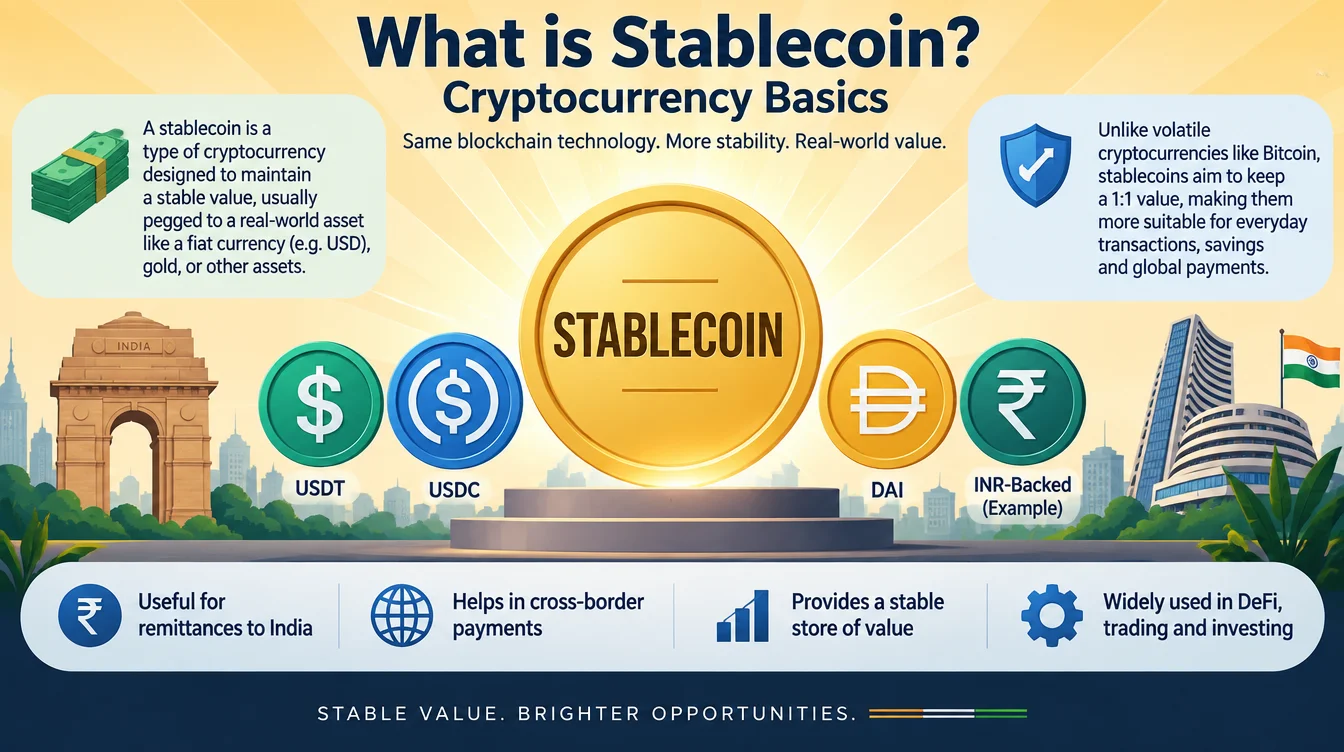
No. The digital rupee is issued and backed by the Reserve Bank of India and is legal tender at a fixed one-to-one value with the paper rupee. A cryptocurrency like Bitcoin has no central issuer, no legal-tender status in India, and a price that can swing sharply. CBDC is designed to be stable, sovereign money.
Does the e-rupee earn interest like a savings account?
No, e-rupee does not earn any interest. It behaves like cash you carry in a wallet, so holding it will not grow your money. If you want your balance to earn a return, you would keep it in a savings account or another suitable instrument rather than in the CBDC wallet.
Do I need internet to use CBDC?
For most transactions today you still need connectivity, but the RBI is rolling out CBDC offline payments that let you transact without a live network. Offline tokens sit on your device and sync once you reconnect. This is one of the features being tested and expanded during the 2026 pilot.
How do I start using the digital rupee?
Check whether your bank is part of the RBI CBDC retail pilot, then open the CBDC wallet inside its app and complete the verification. Load e-rupee from your linked savings account and pay by scanning a QR code. Availability depends on your bank and city, since the pilot is still expanding.
Will the digital rupee replace UPI and cash?
The RBI has said the digital rupee is meant to complement cash and UPI, not replace them. You can continue using notes, cards, and UPI as before. CBDC simply adds another payment option, and adoption is expected to be slow and voluntary as more banks and merchants join.